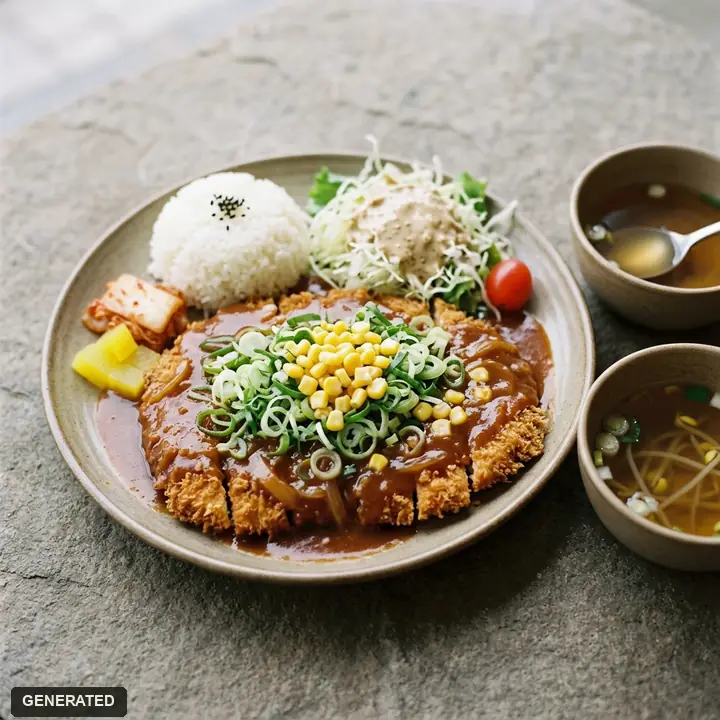
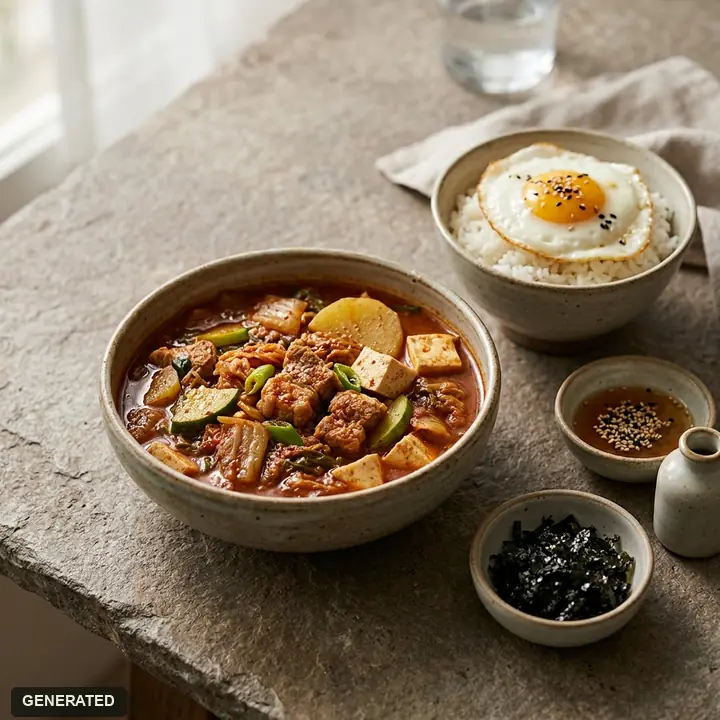
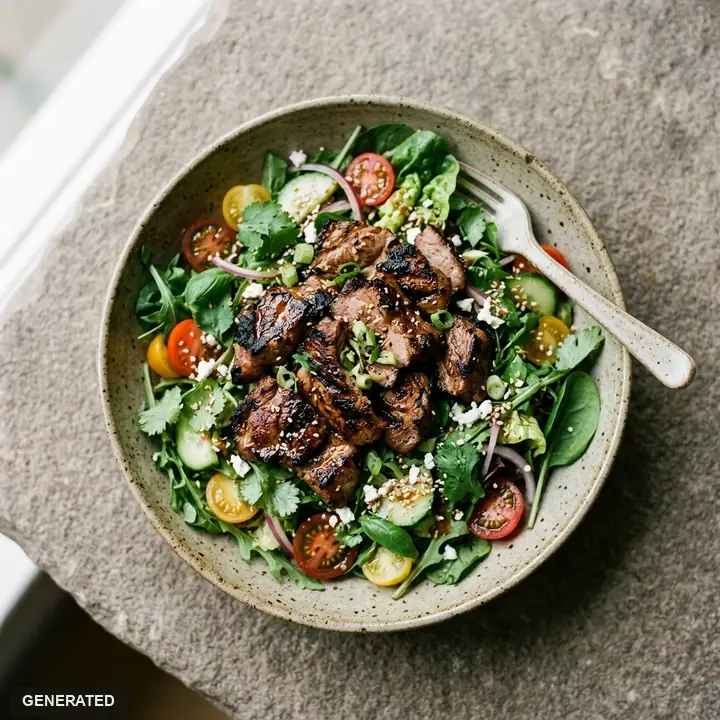
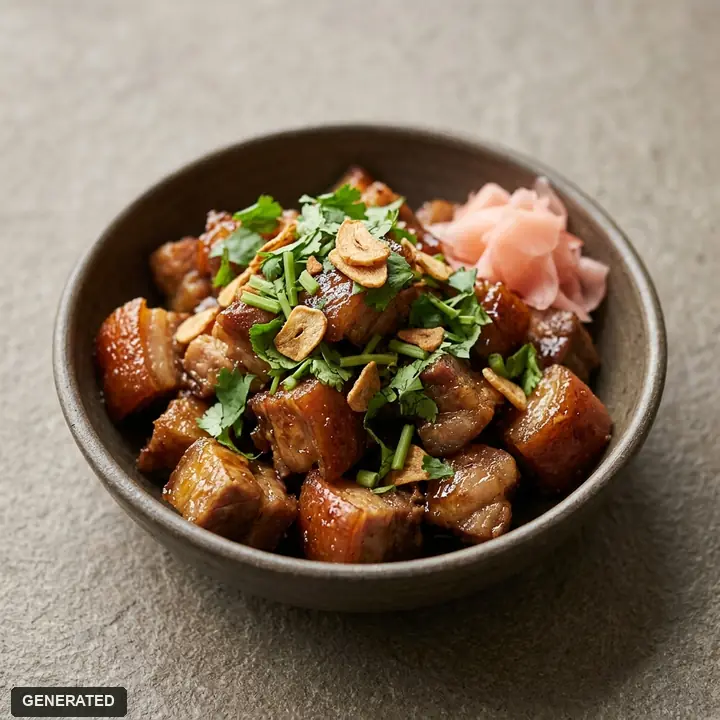
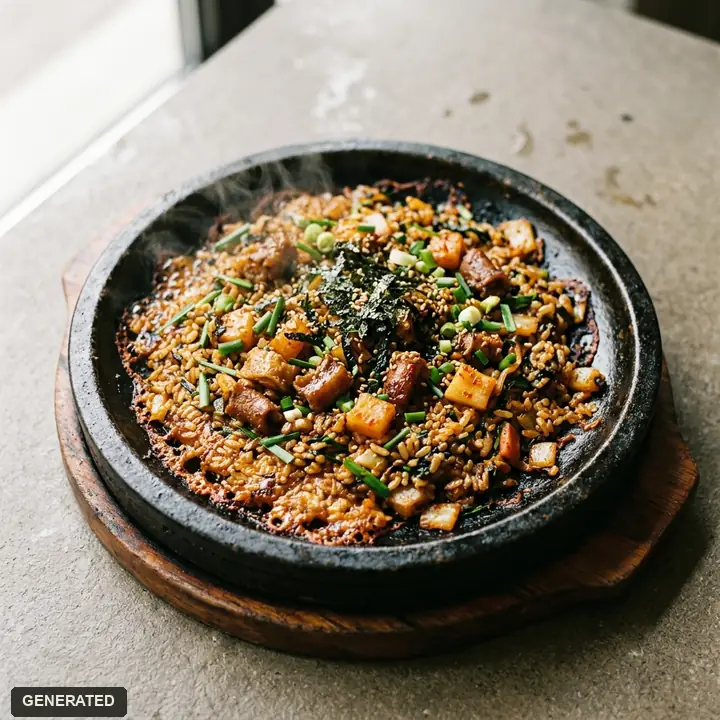
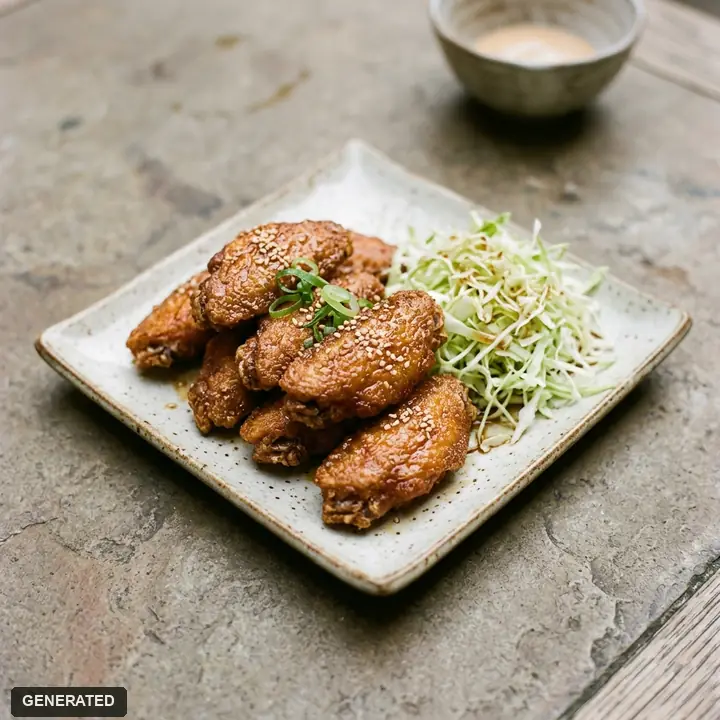
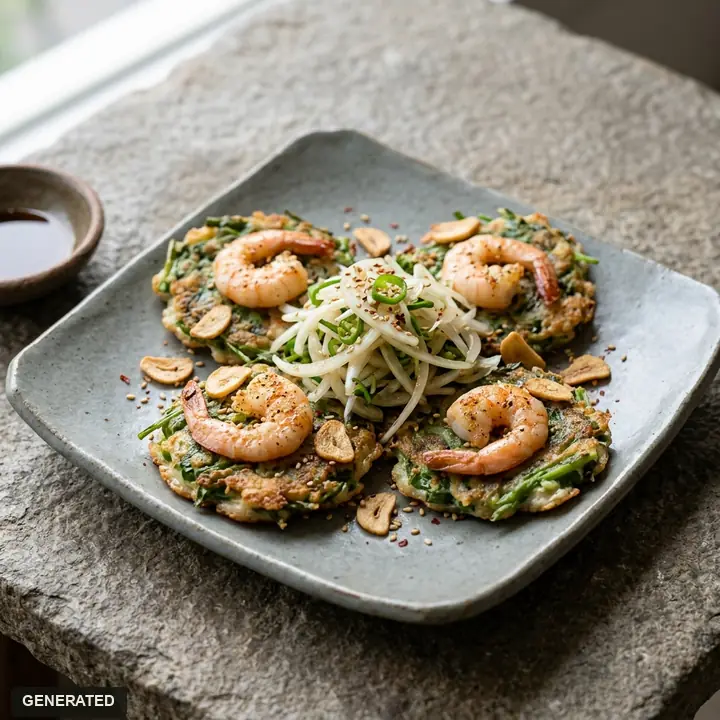
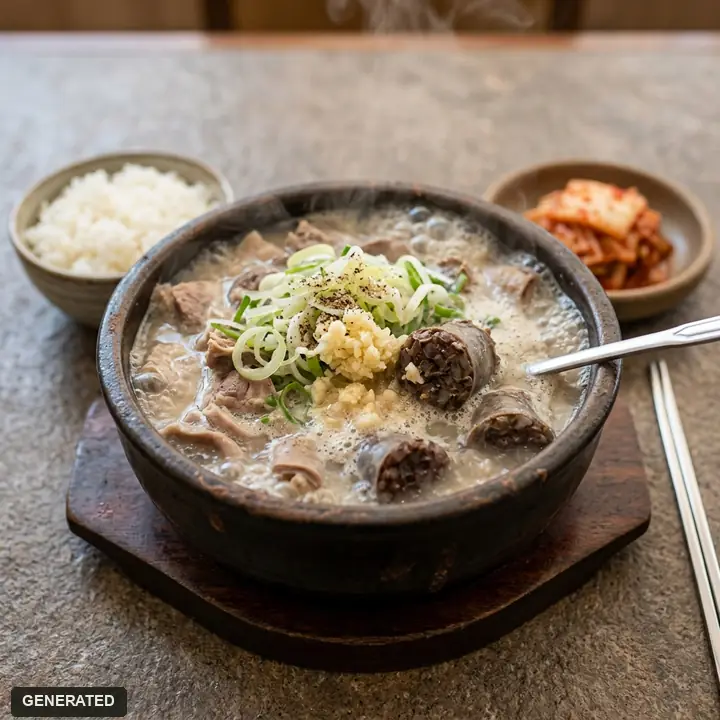
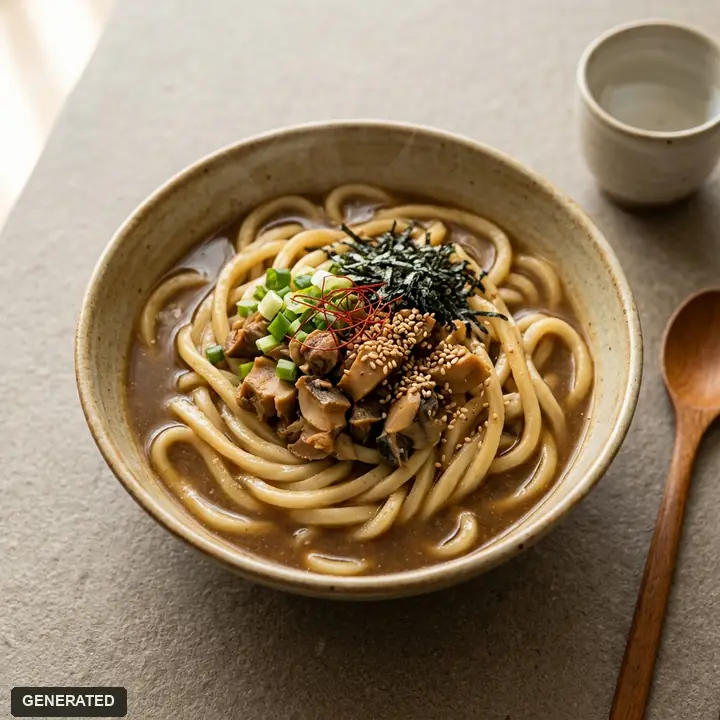
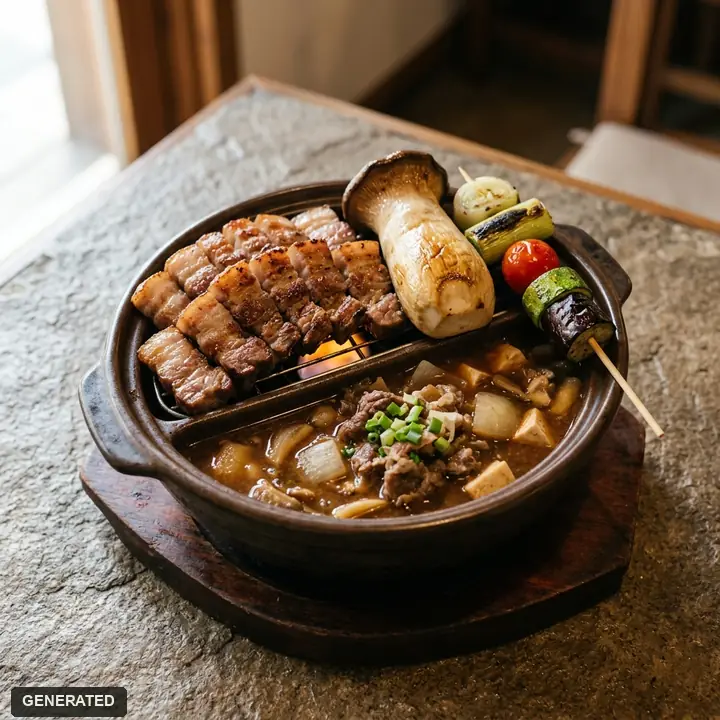
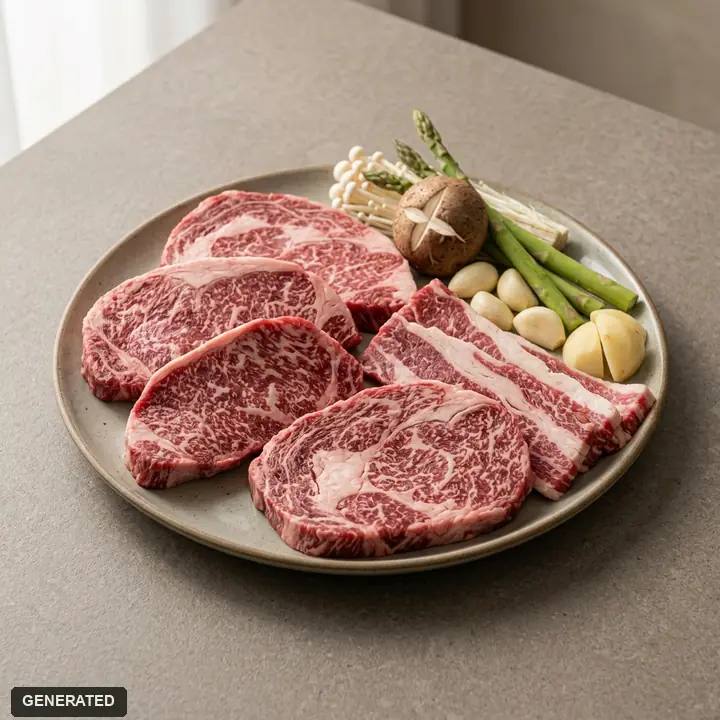
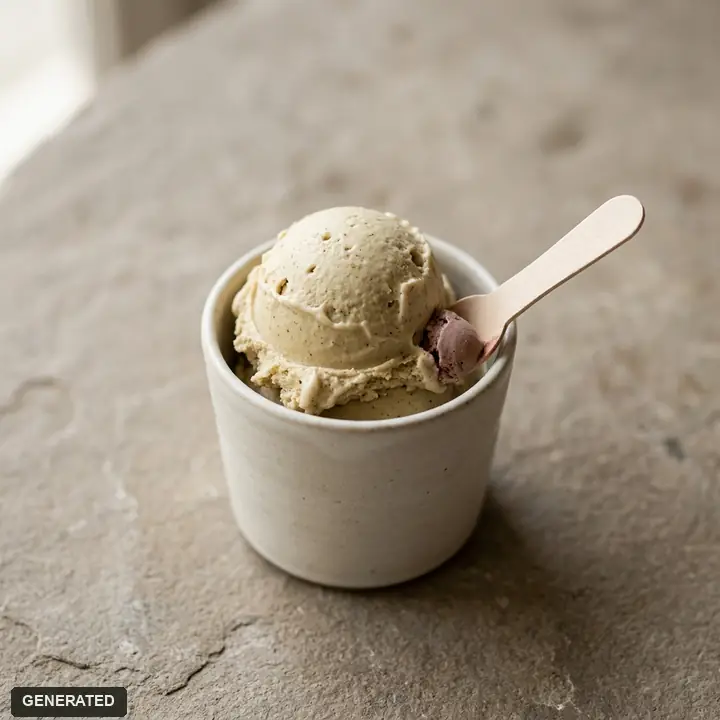
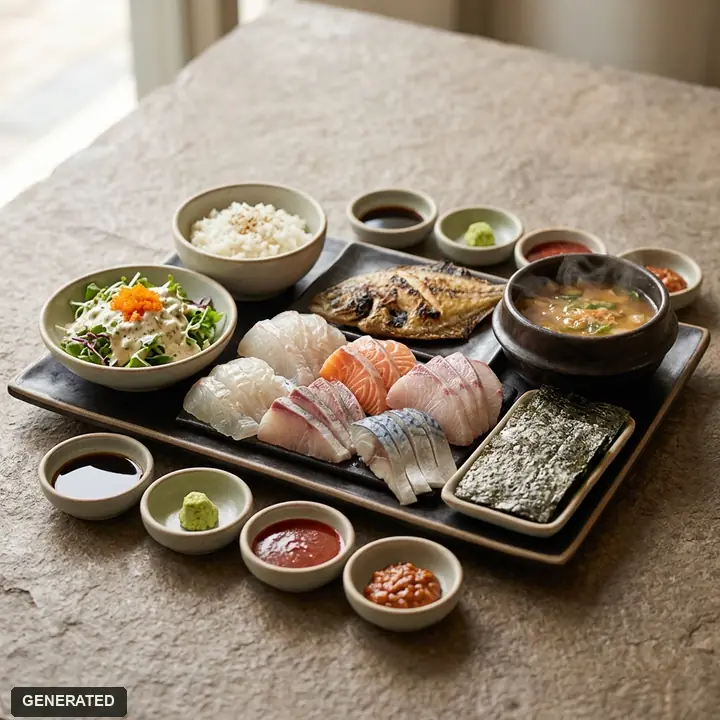
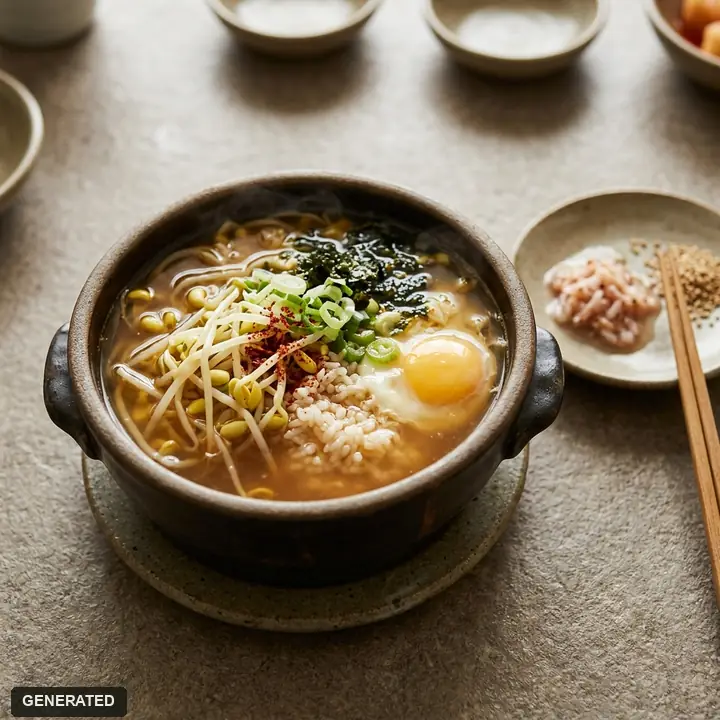
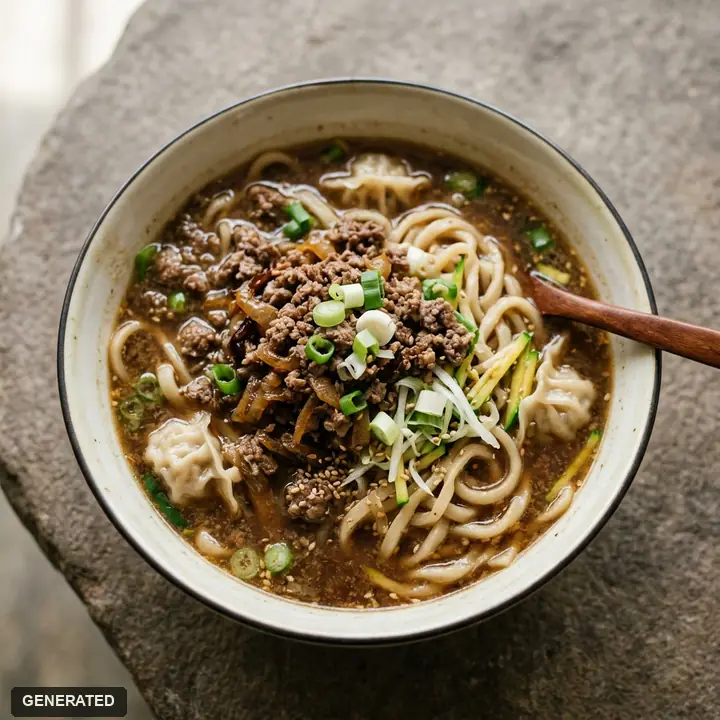
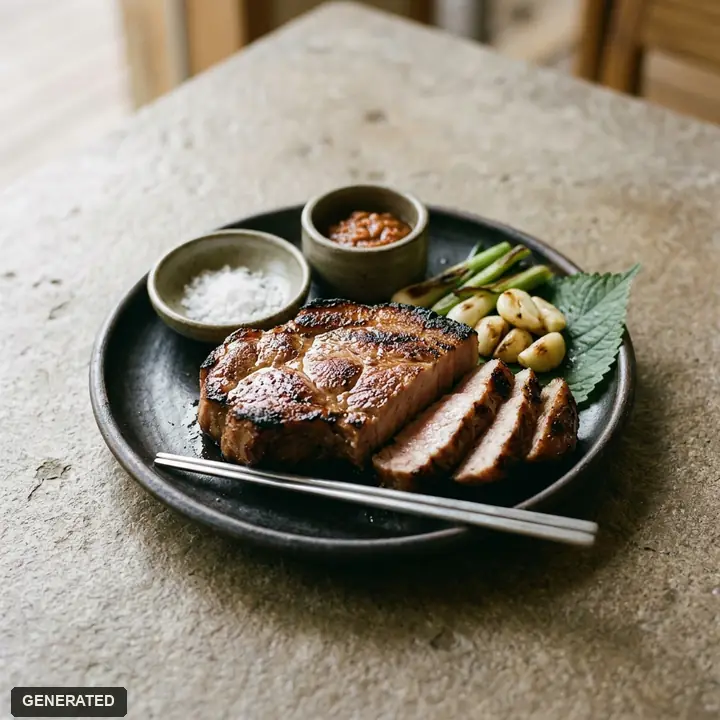
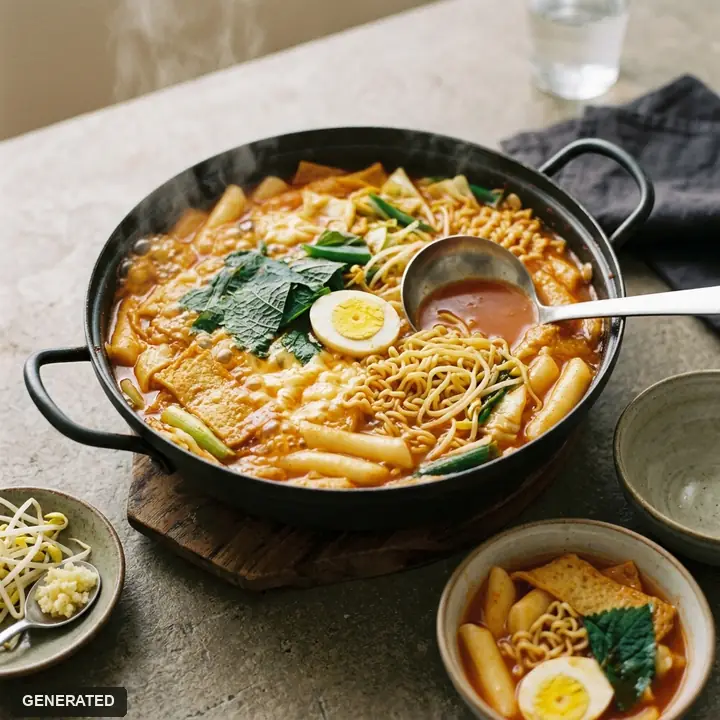
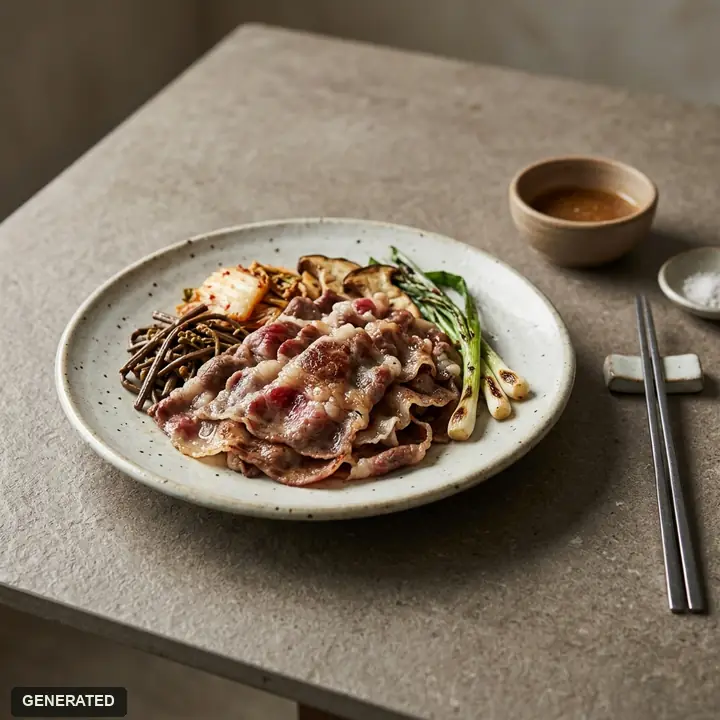
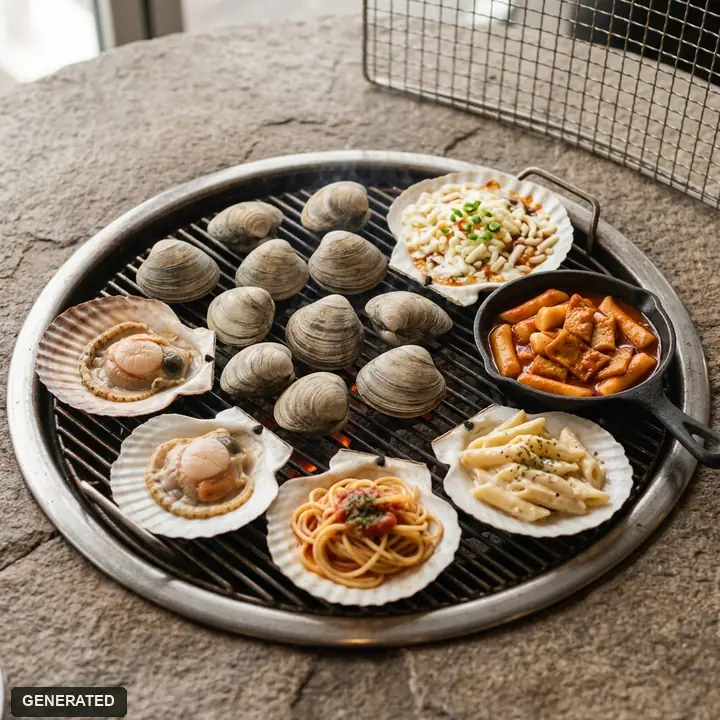
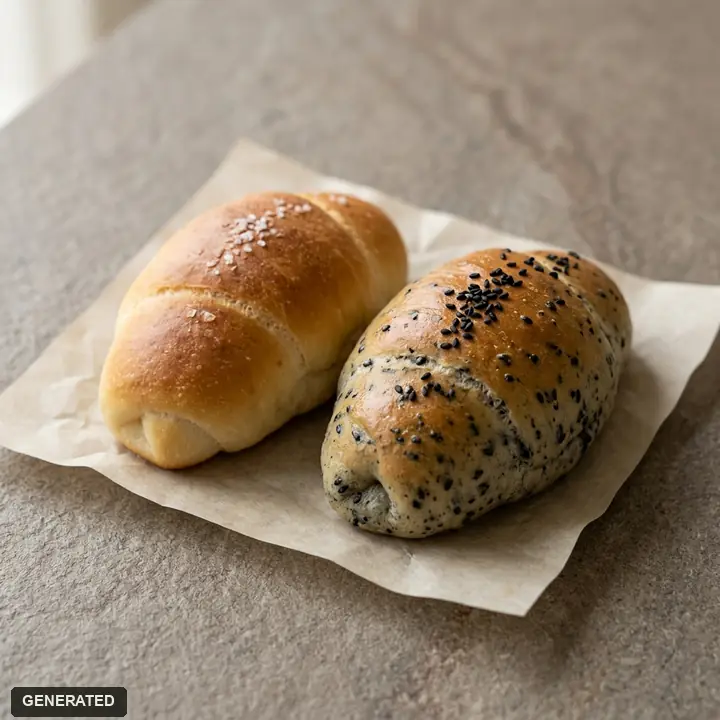
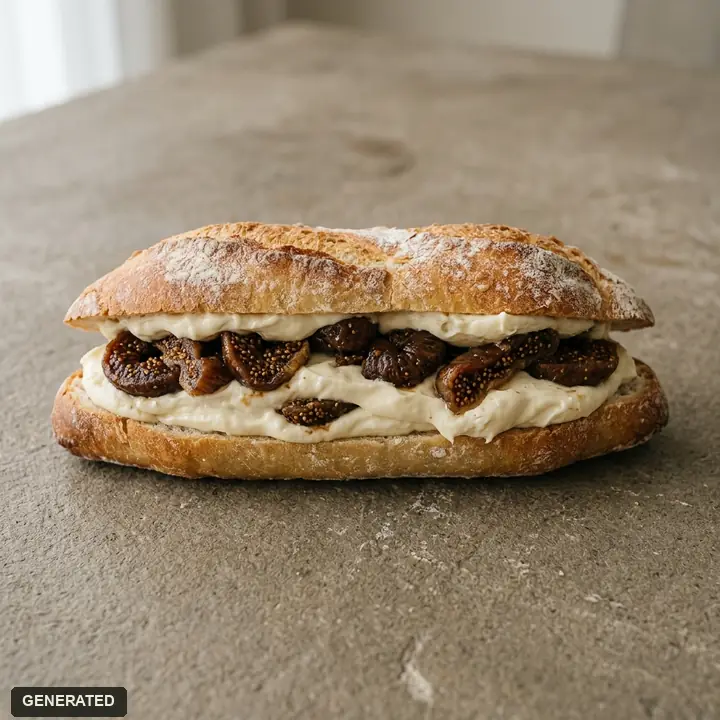
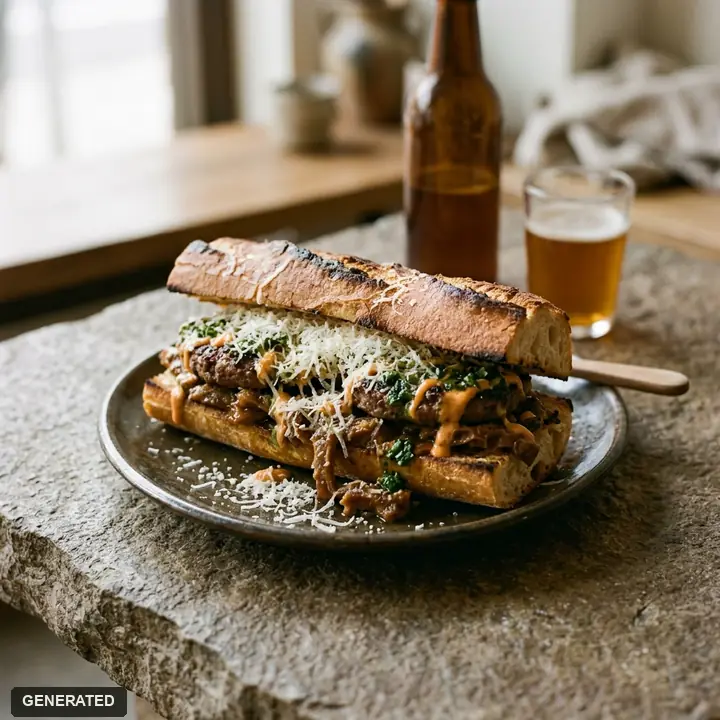
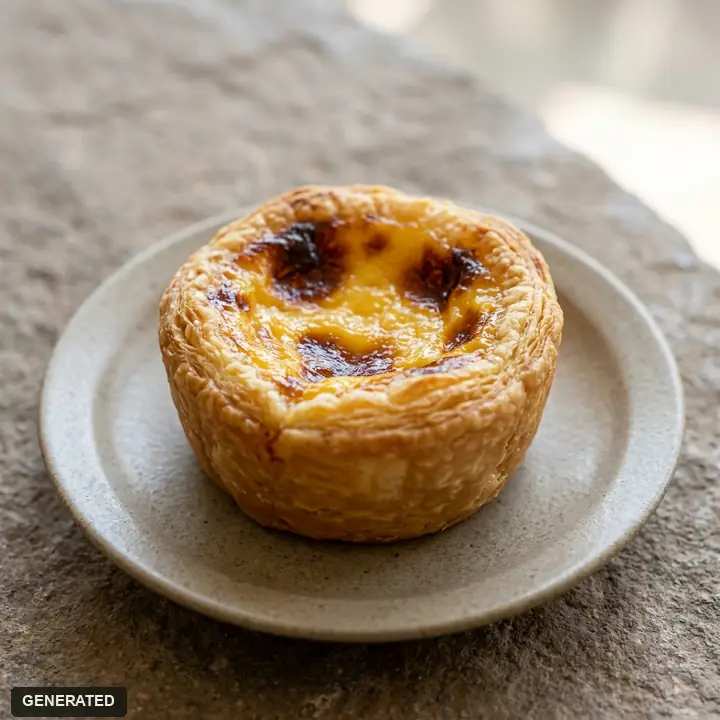
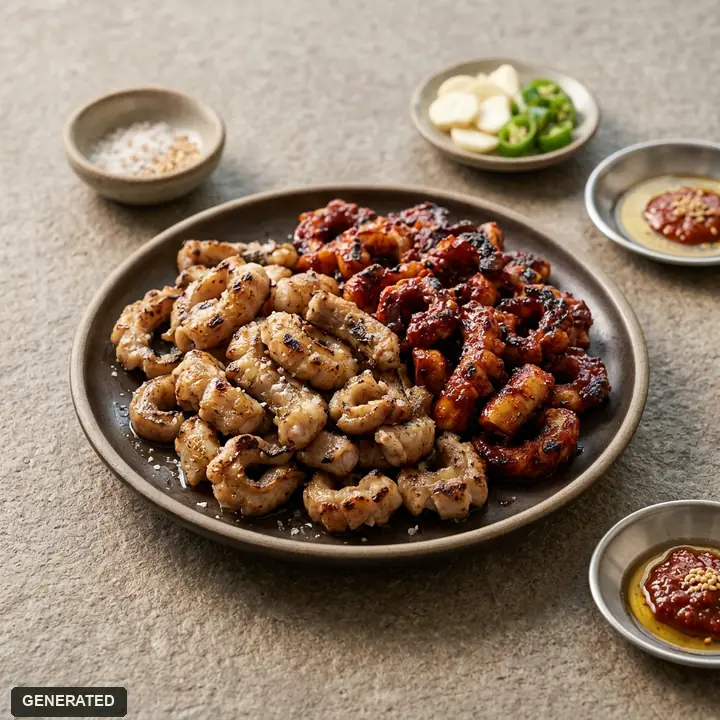
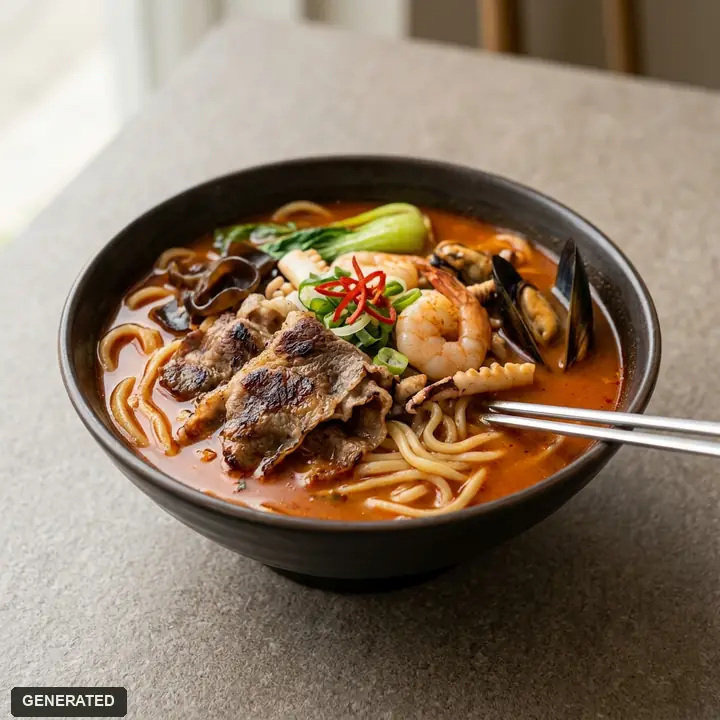
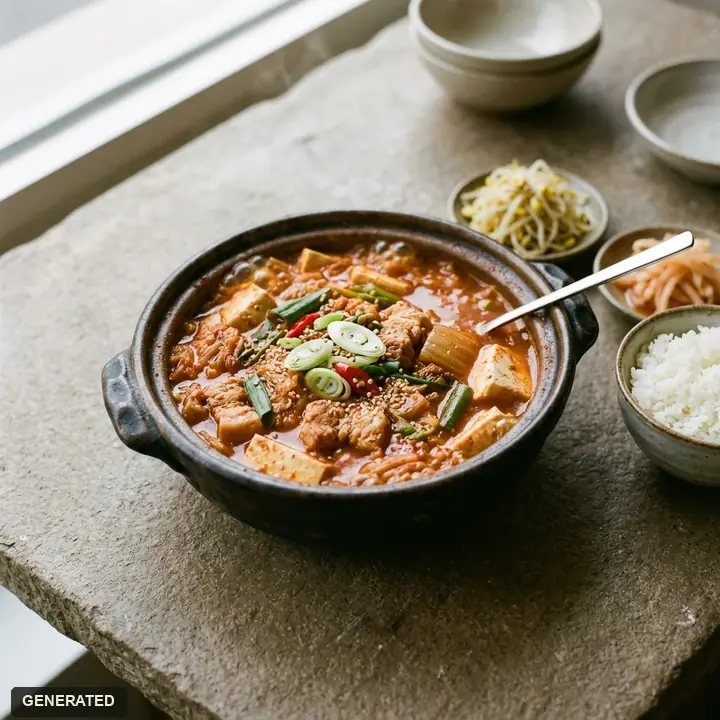
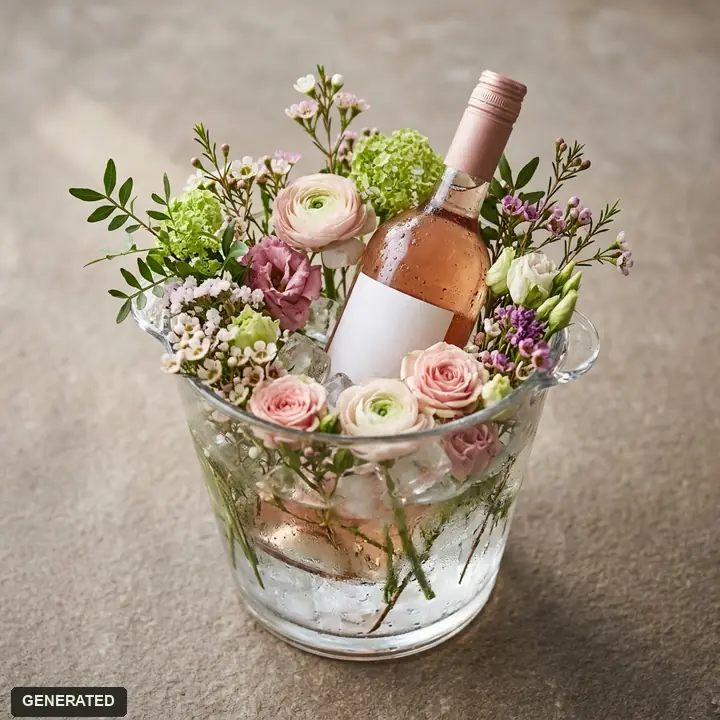
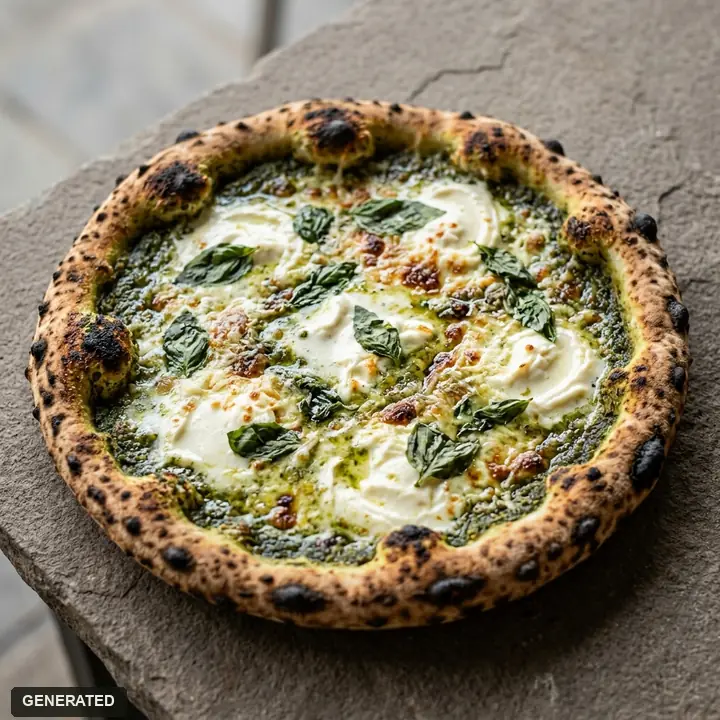
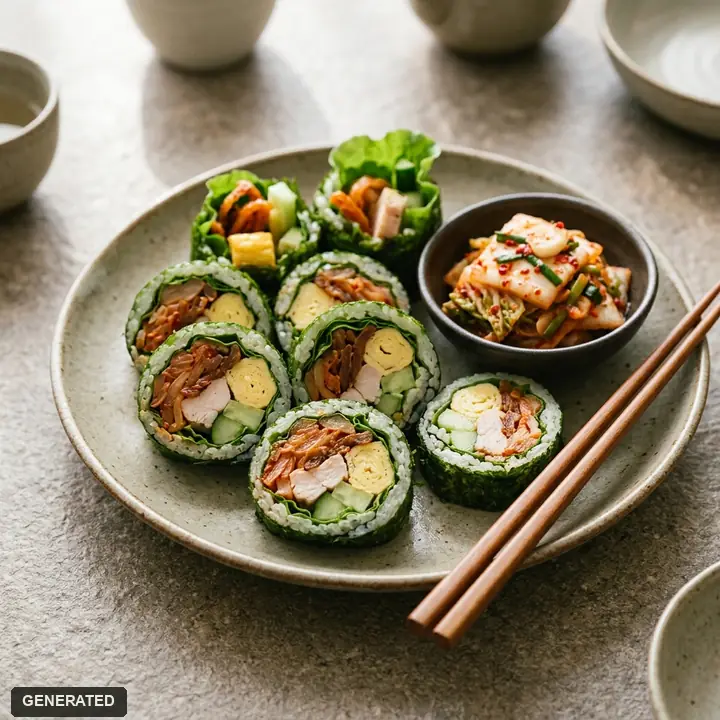
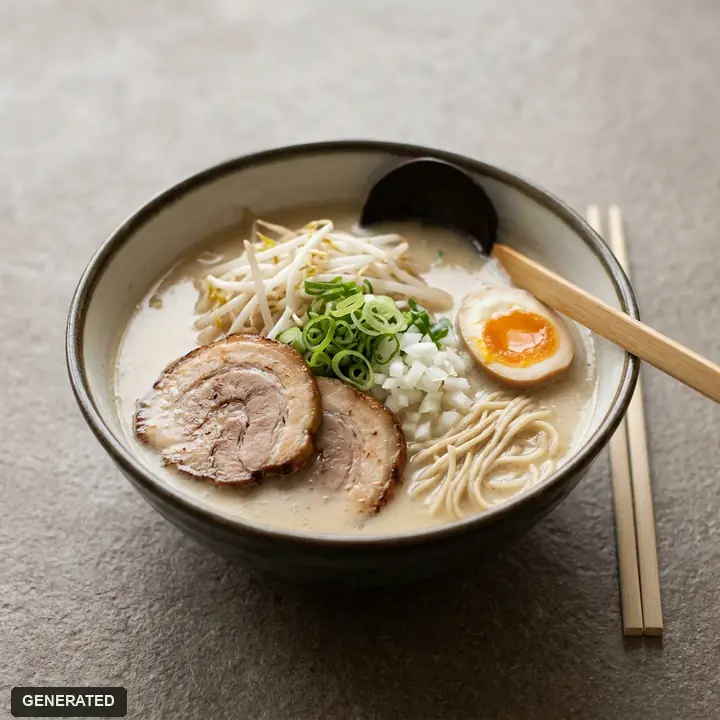
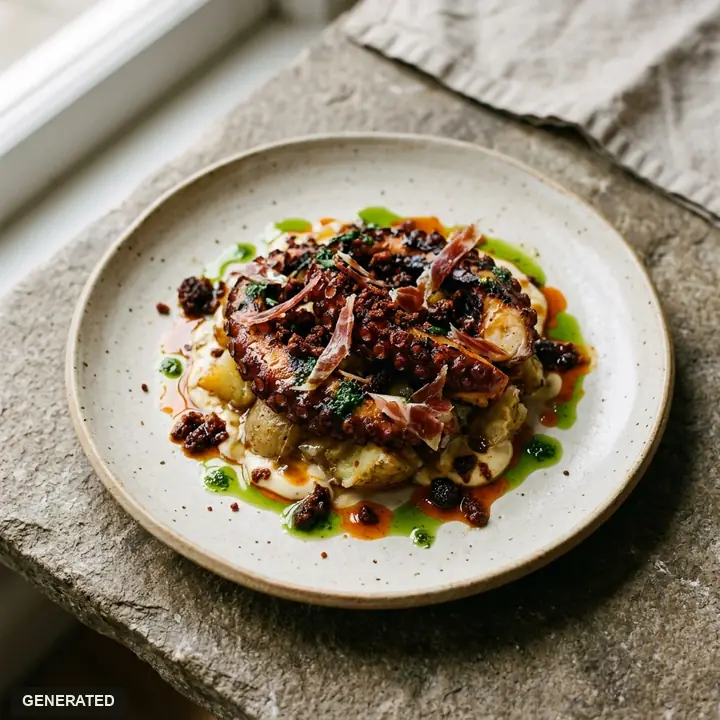
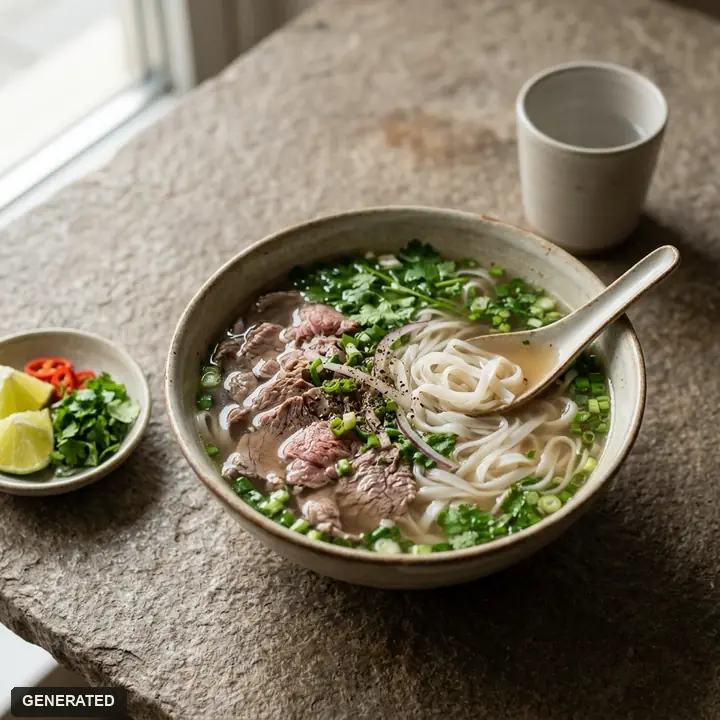
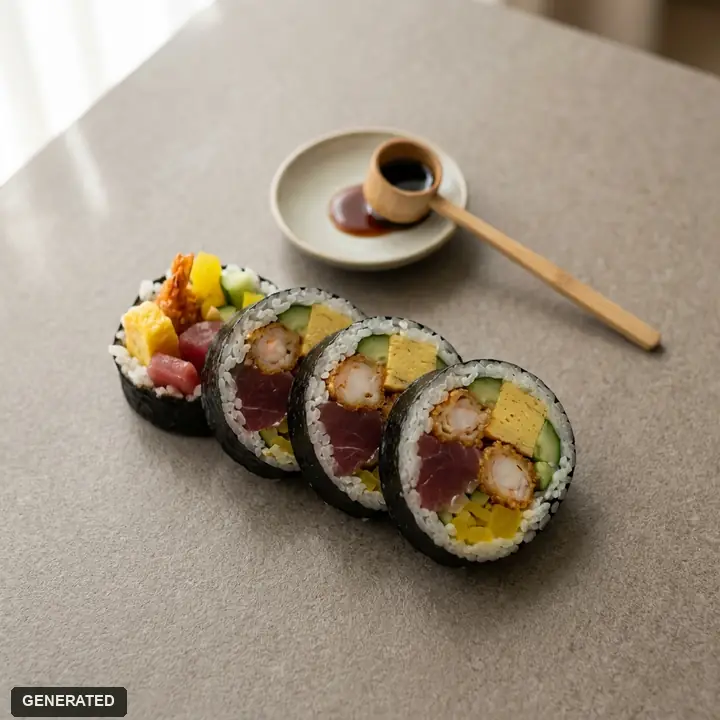
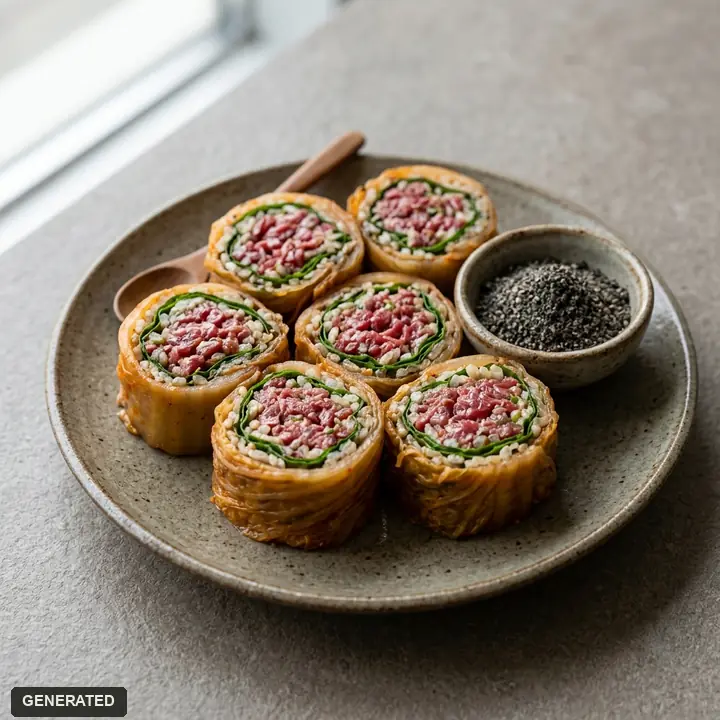
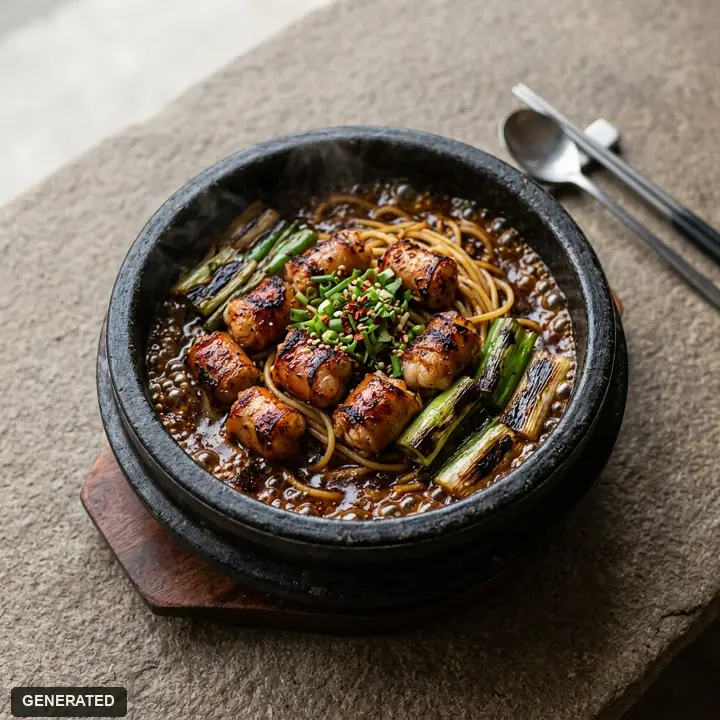
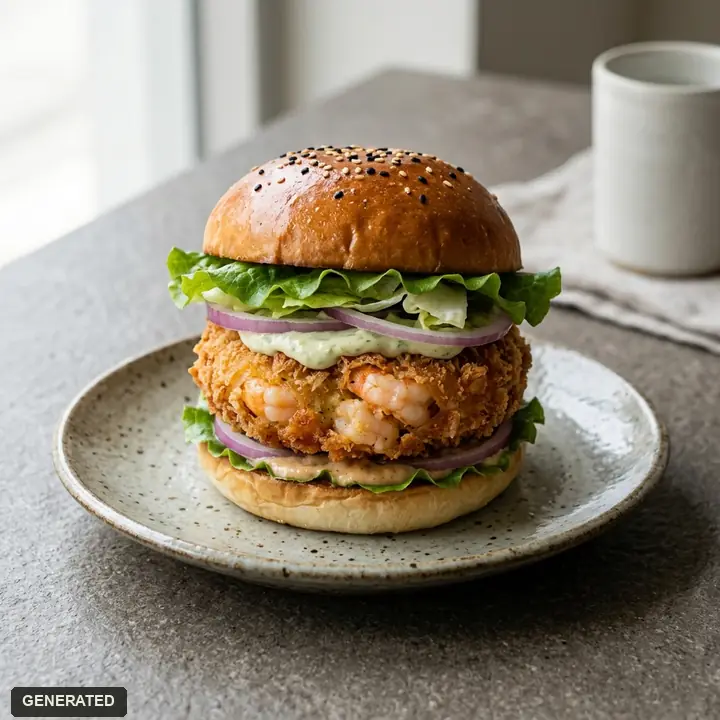
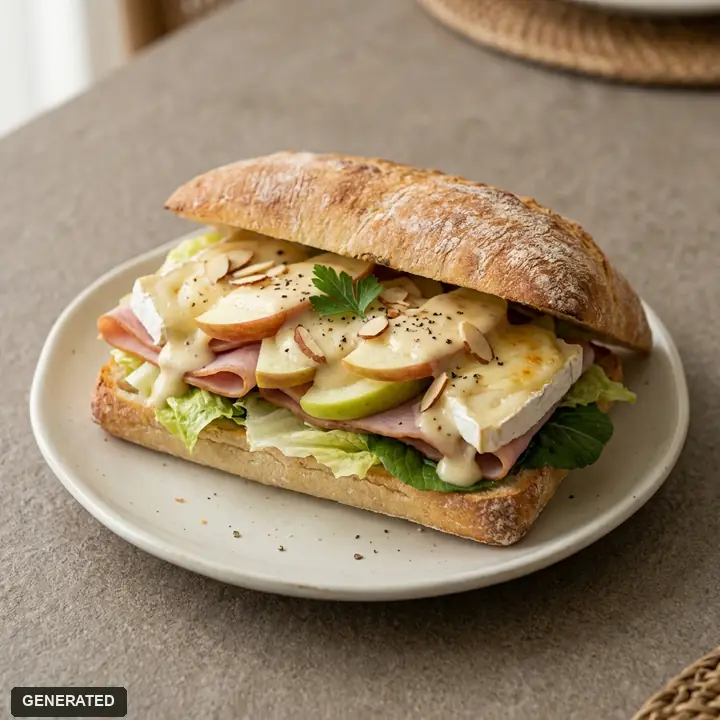
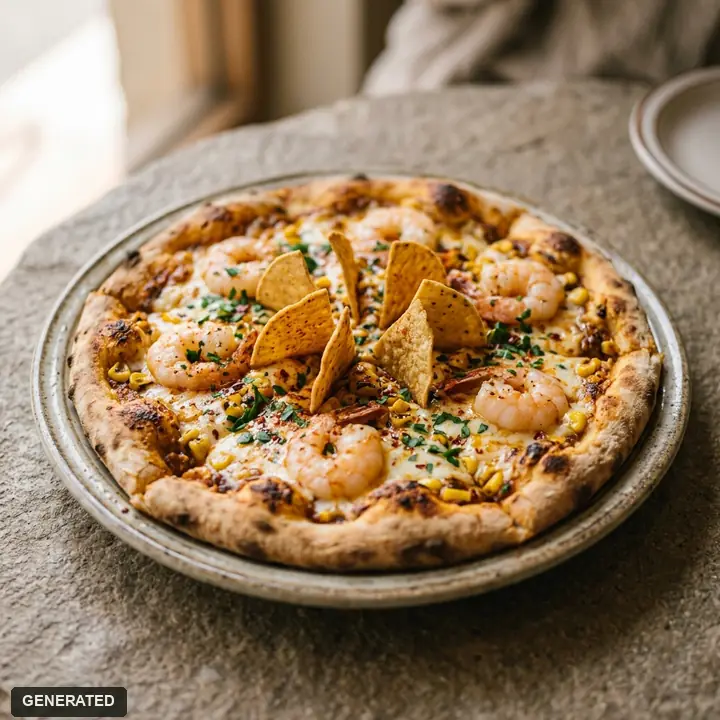
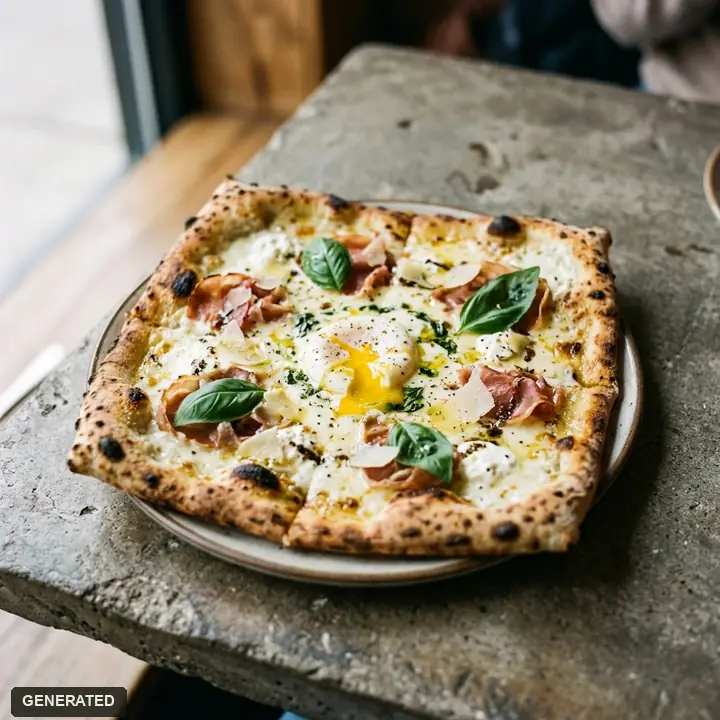
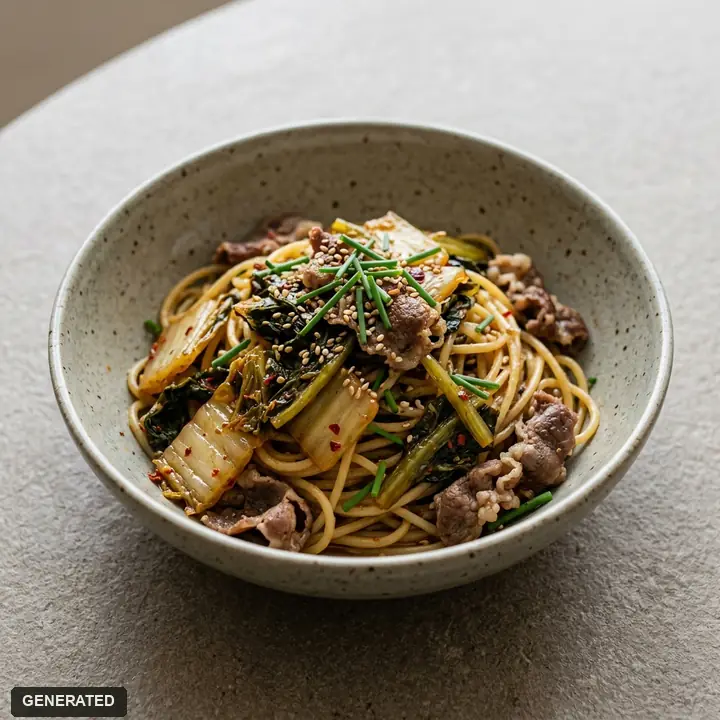
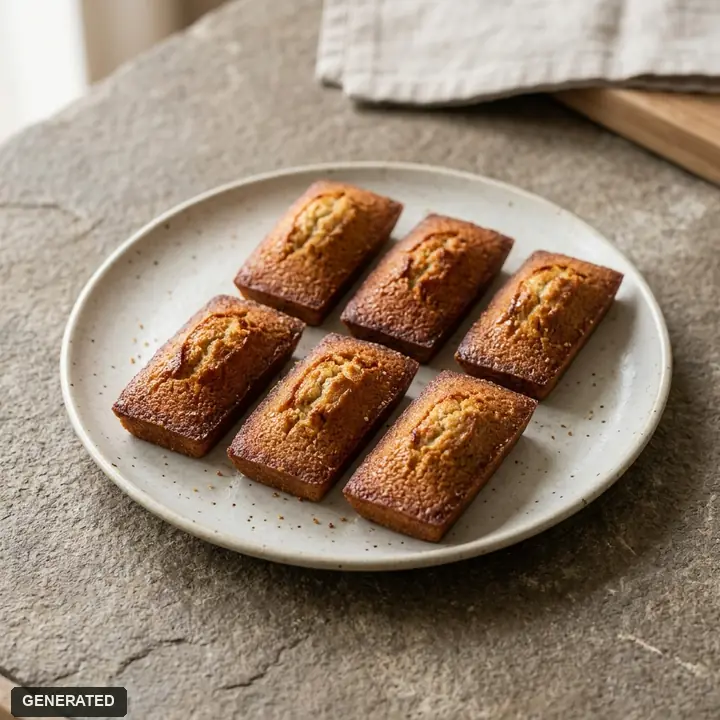
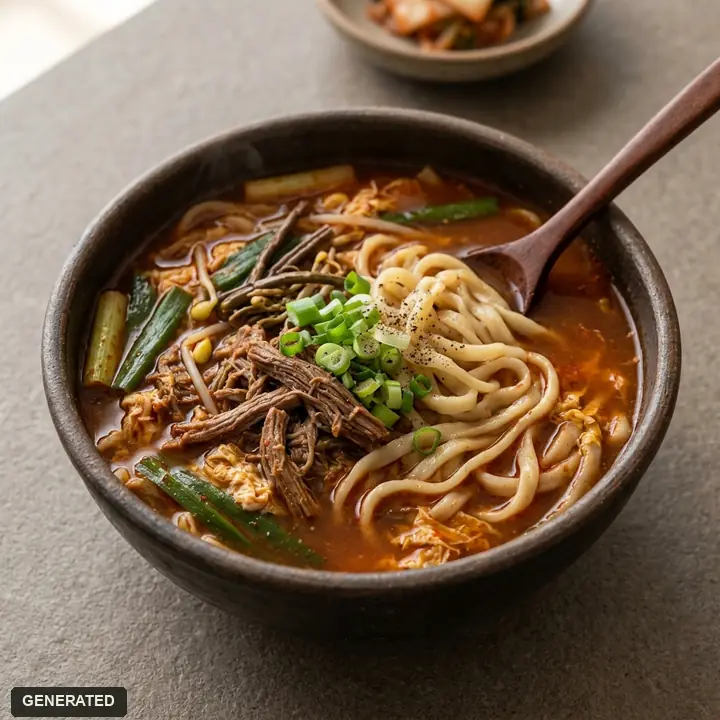
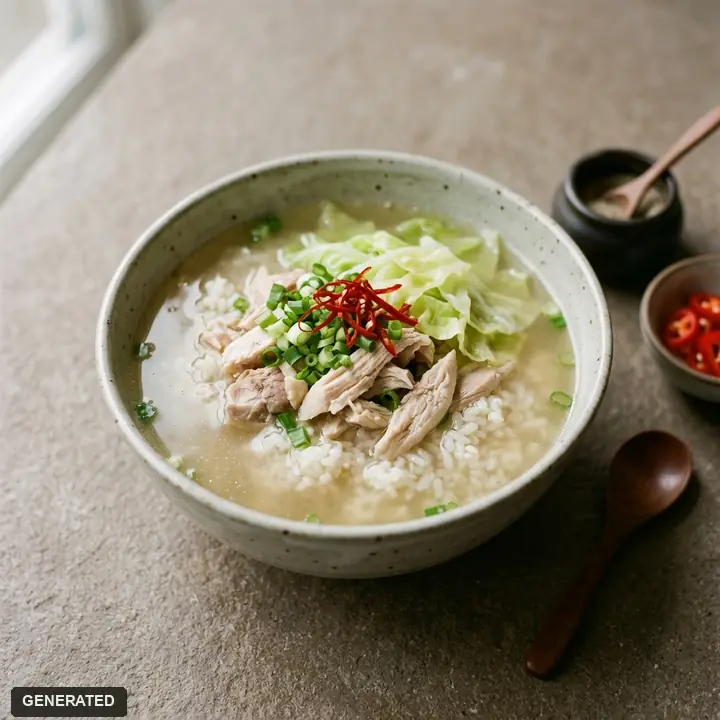
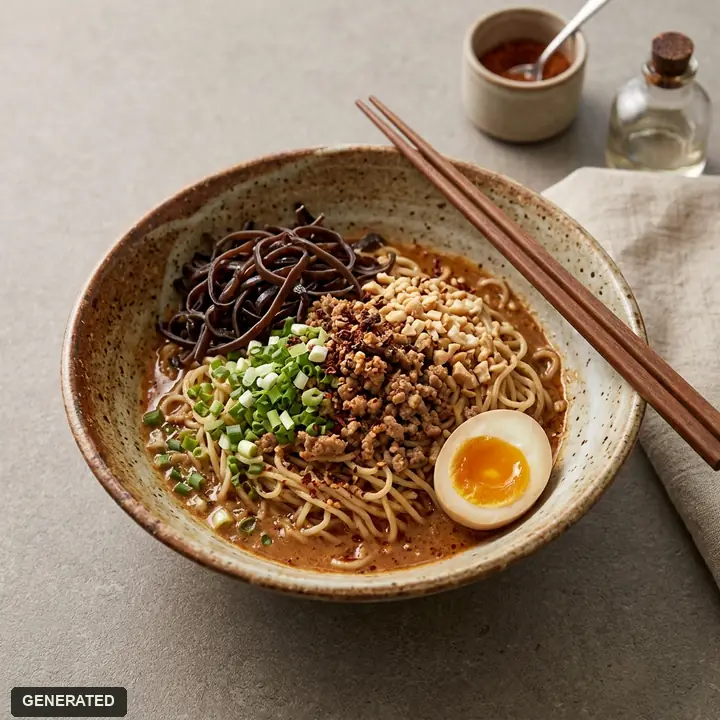
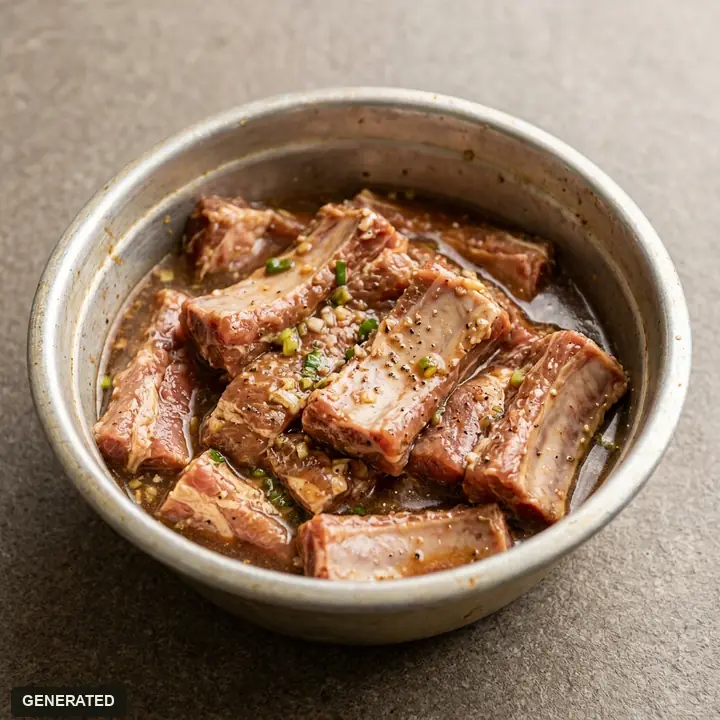
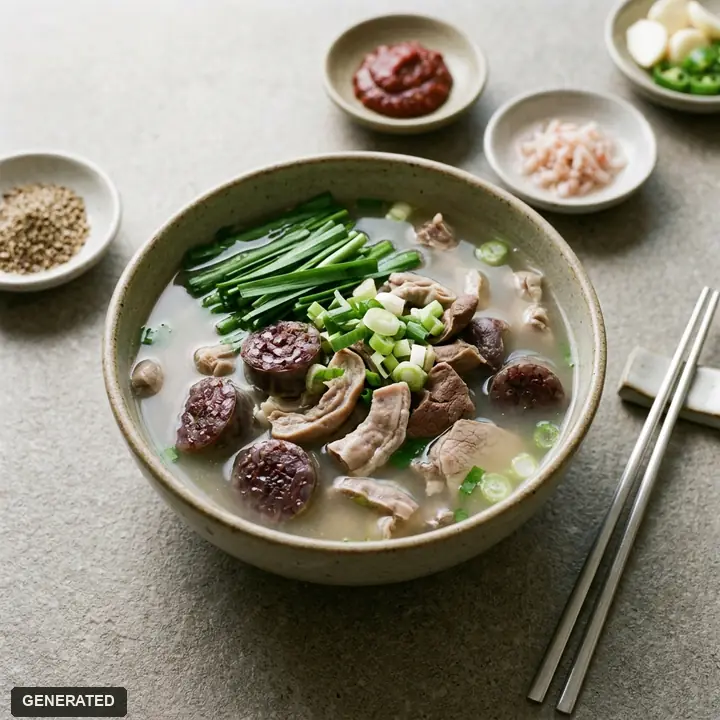
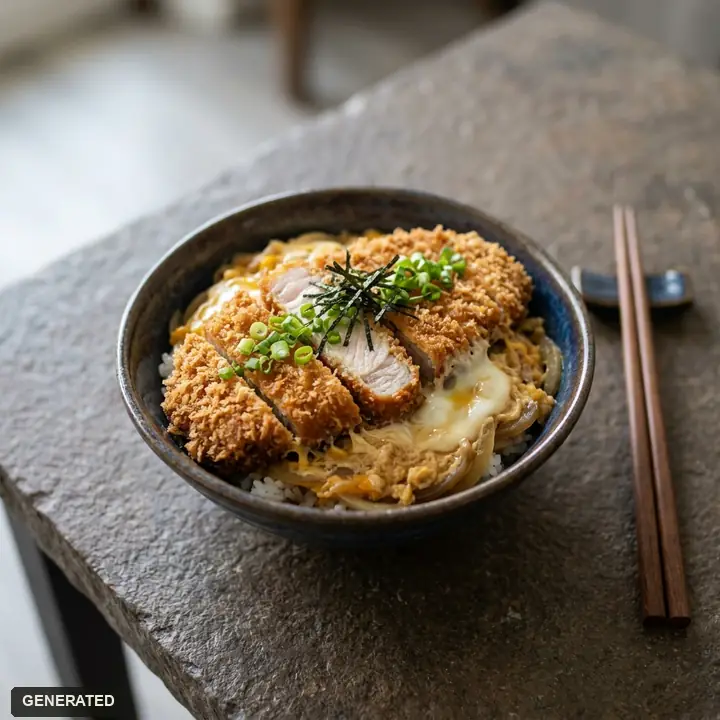
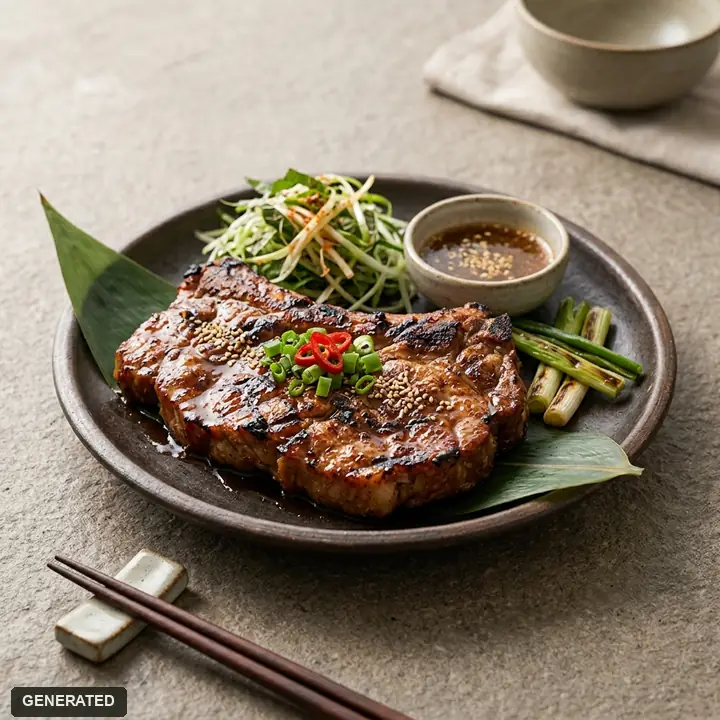
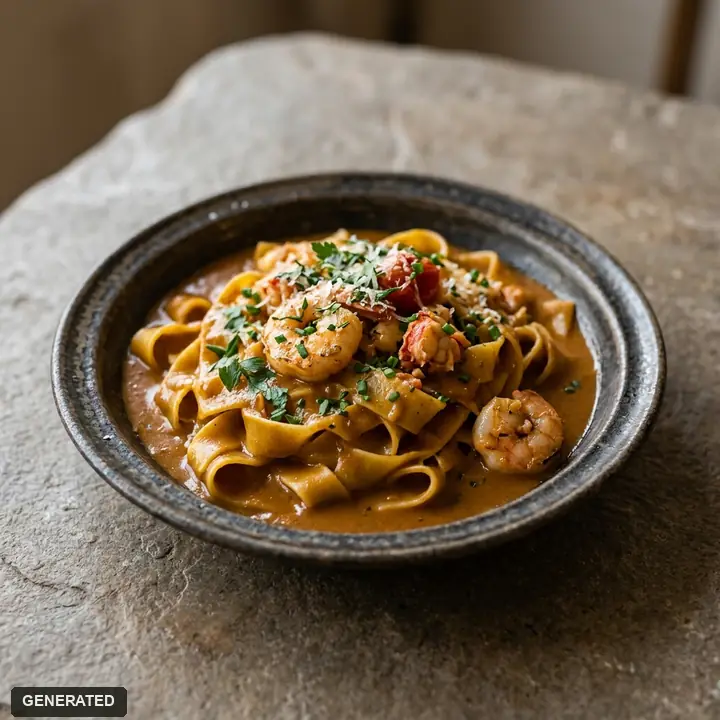
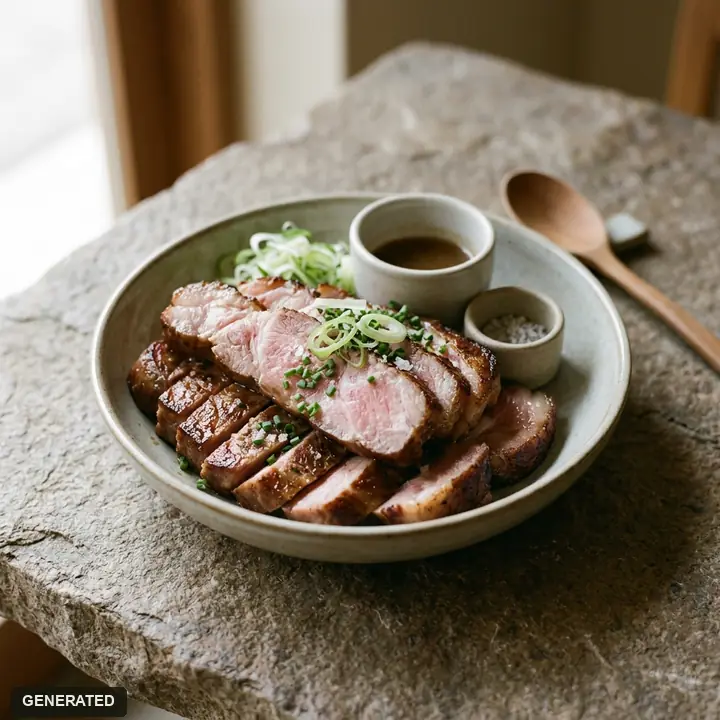
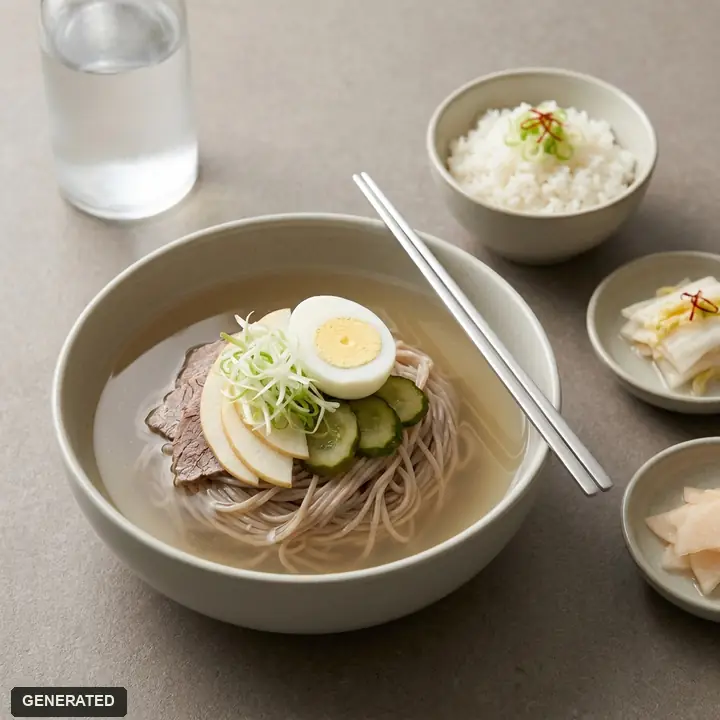
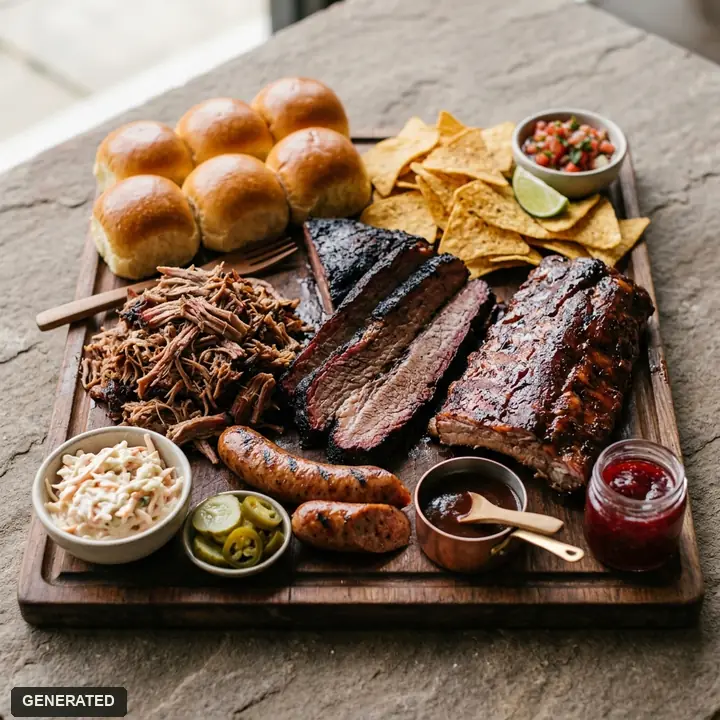
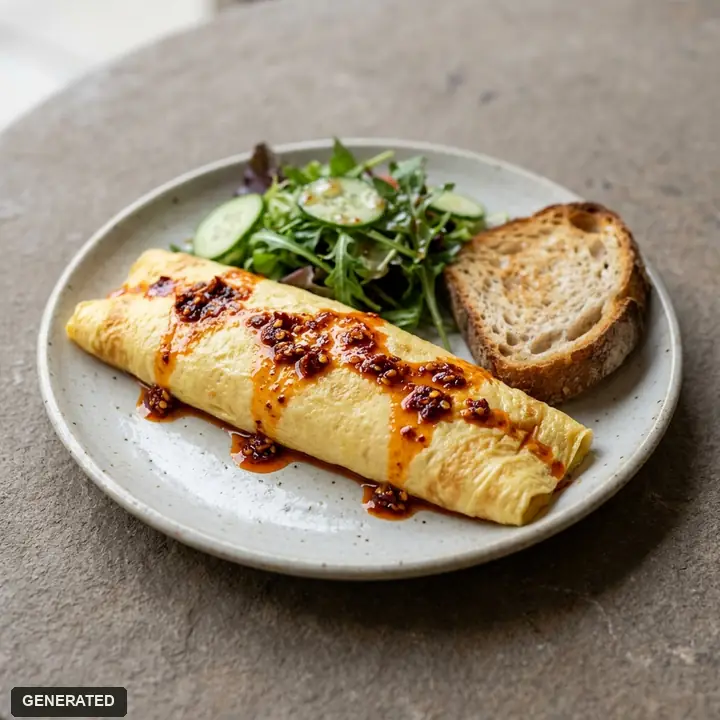
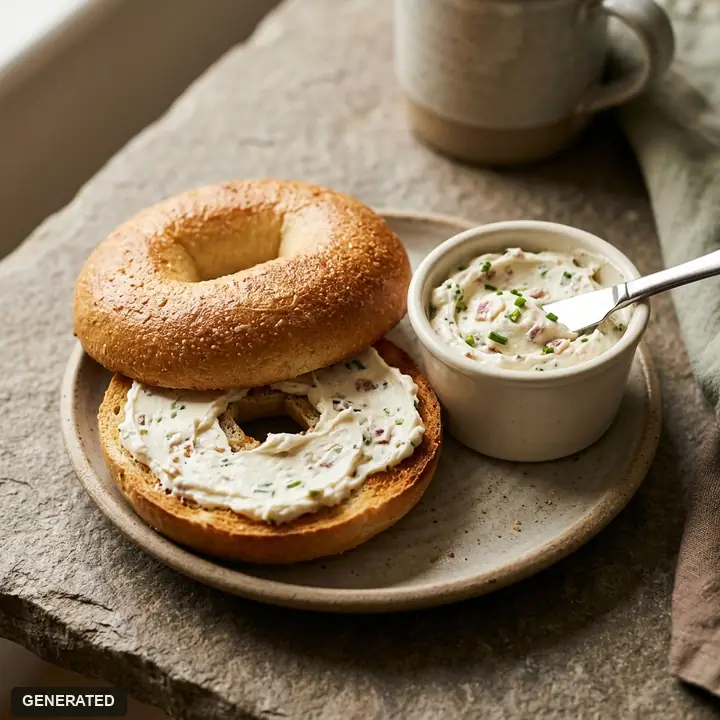
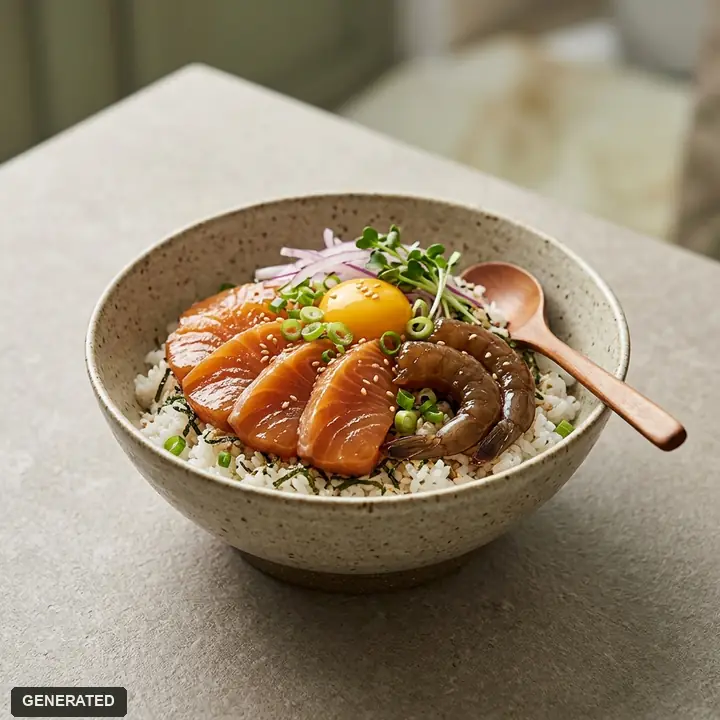
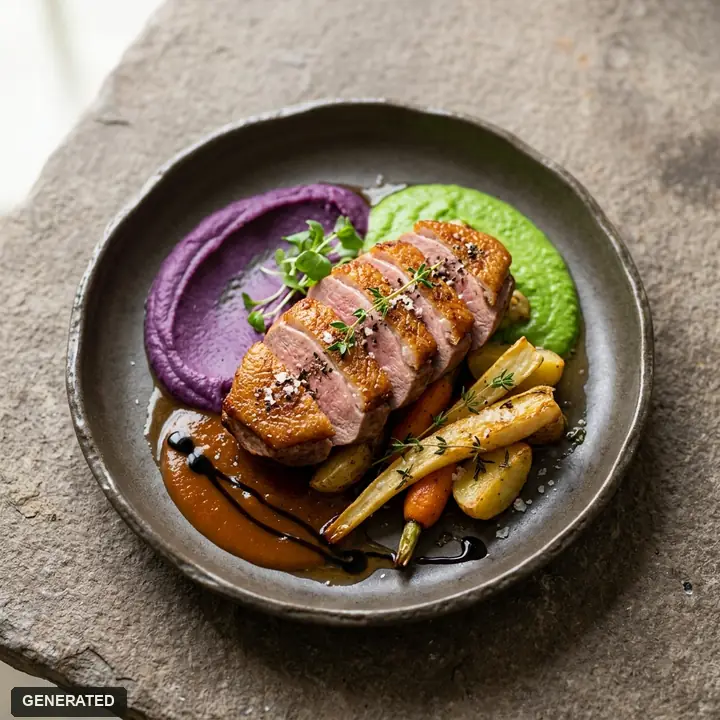
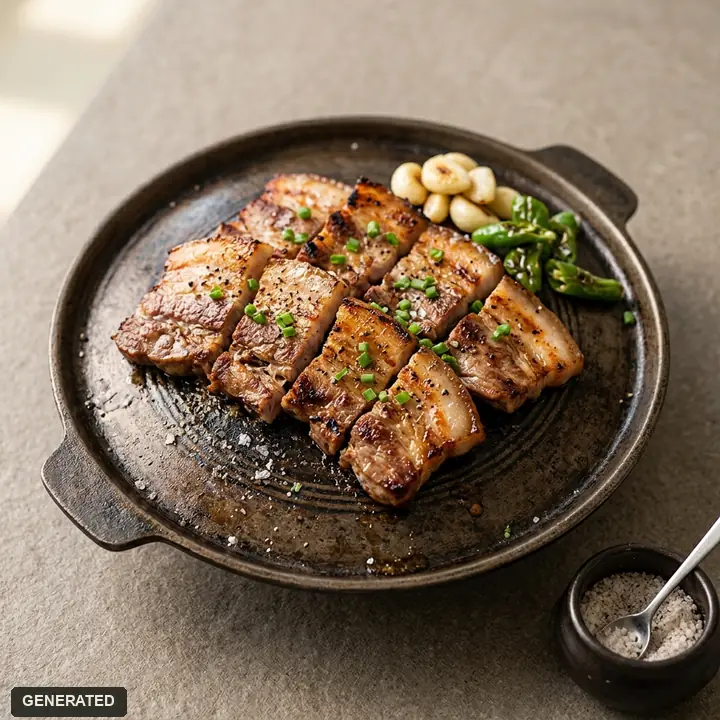
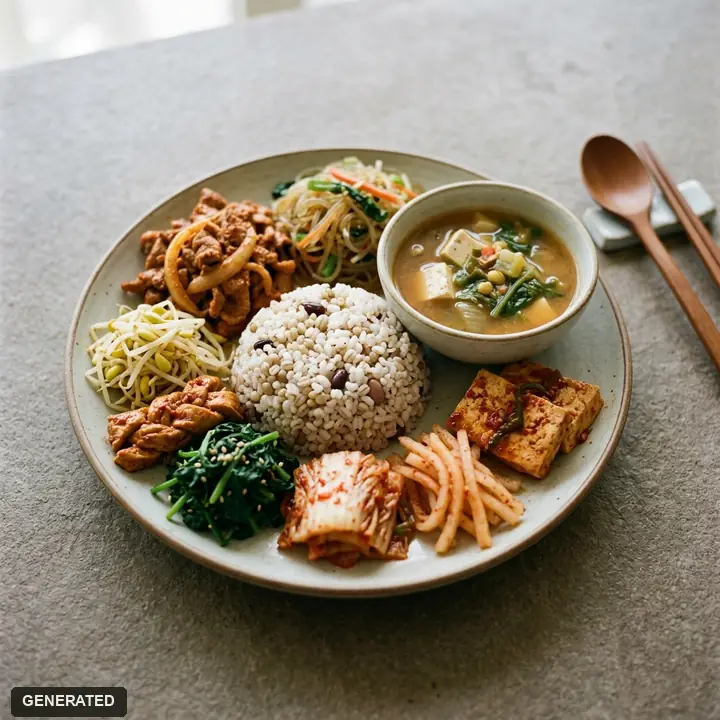
A self-service Korean canteen by Ttukseom Station where the set meal is a rice bowl or a thick kimchi stew, with steamed egg or soup, three side dishes and a yoghurt on the same tray.
Self-order screen 25 of 27 · Clean 23 of 32 · Reachable by transit 21 of 22
The Korean spelling of the English name the restaurant uses on its window and its own blog, Flavourtown. Nothing in the Korean means anything on its own
Second floor 20 of 25 · Friendly staff 20 of 20 · Crispy batter 19 of 25
"Gyeongjuissi" is a family name, not a food: the Yi (Lee) family of Gyeongju, one of the largest clans in Korea, in the way an English pub might be The Howards of York. Nothing on the sign refers to what is cooked. One writer notes with some delight that she is a Gyeongju Yi herself. Three others connect the shop to Cheongju Hanssi, another clan name, a Seongsu restaurant that has since closed.
Counter seating only 26 of 28 · Cooked to order 21 of 24 · Friendly staff 18 of 20
“Eau de Vie” — French for the water of life, and the name for a clear brandy distilled from fruit. Several writers looked it up on the way in; Korean writes it 오드비
Friendly staff 28 of 28 · No menu — the bar chooses 25 of 25 · Reachable by transit 13 of 19
WaA is 와인 (wine) + 아이스크림 (ice cream) run together, and also 와아 — the noise of being impressed, roughly "wow". Four writers were handed a card at the table explaining both readings
Second floor 26 of 27 · Reachable by transit 17 of 17 · Takes reservations 12 of 13
Gnocchi Room — the shop writes it that way itself, on the glass and on Instagram (@gnocchi.room). Korean spells the Italian word 뇨끼 and adds 룸, room: a room for gnocchi, which is close to literally what it is.
Open kitchen 22 of 27 · Takes reservations 12 of 14 · Friendly staff 11 of 11
Sharon is the chef's own name — Kim Sharon, a baptismal name, after the rose of Sharon in the Bible. Two writers asked and were told so. Seongsu is the neighbourhood.
Reachable by transit 27 of 28 · Chef credentials 23 of 23 · Takes reservations 21 of 22
Ilmirak is 一味樂 — roughly 'the pleasure of one good taste'. Seongsu is the neighbourhood: the company began in Mok-dong in 2013 and this is a later branch, with another in Sangam.
Staff cook it at your table 24 of 26 · Roomy 20 of 22 · Group visit 16 of 18
ARUCU is the Japanese verb aruku, to walk or to stroll — three writers relay that the owner meant it as an invitation to drop in on your way past. It is the second of three sibling izakayas in Seongsu; Irou was first and Kappo is ten minutes away.
Friendly staff 27 of 27 · Reachable by transit 18 of 26 · Quiet 16 of 21
“Gangnam gyoja” — gyoja are the steamed pork dumplings the chain is built on, and Gangnam is where its first shop opened, in southern Seoul, not this neighbourhood. Ttukseom Station branch.
Discount offered 12 of 14 · Roomy 12 of 15 · Reachable by transit 10 of 10
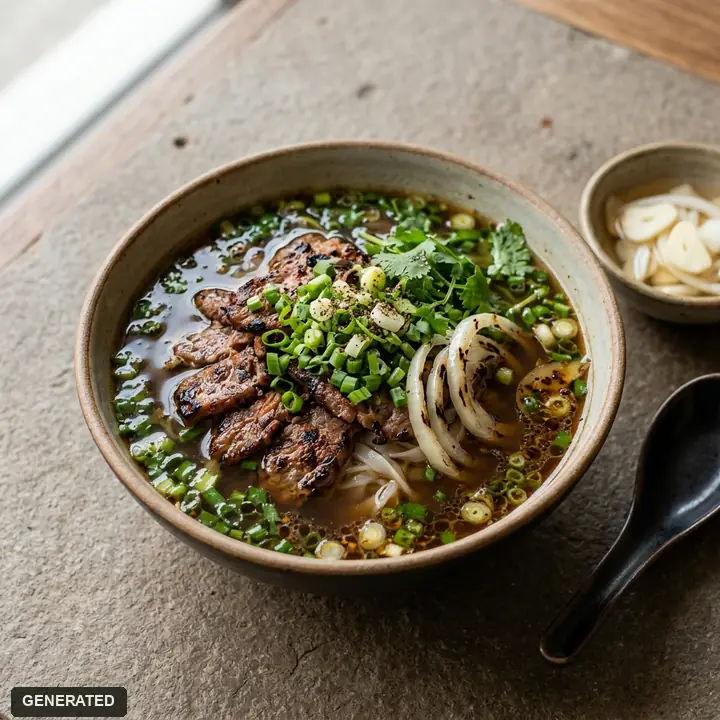
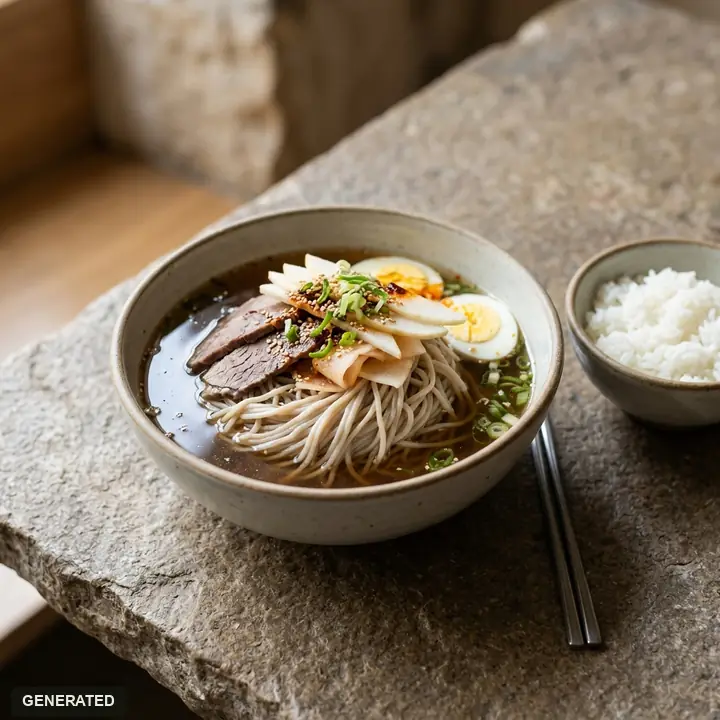
“Gangnam myeonok” — a myeonok is a noodle house, and Gangnam is the district across the river in southern Seoul where the first one opened, not this neighbourhood. Seongsu branch. The noodles are Hamhung-style, from what is now North Korea: thin, chewy, and served dressed in chilli sauce as often as in broth.
Roomy 22 of 24 · Reachable by transit 15 of 20 · Clean 12 of 24
“Gogong” is how the two syllables read; as an ordinary Korean word it means high in the sky, though the shop nowhere says why it chose it — and one blogger misread it as gogung, an old palace. Seongsu is the neighbourhood and bonjeom means the original branch: several posts note that there are others now, including one in Jayang. The shop writes itself gogong on Instagram.
Staff cook it at your table 25 of 26 · Reachable by transit 18 of 18 · Bag storage 13 of 13
Ttobogetji means see you again, tteokbokki-jip is a tteokbokki shop, and this branch calls itself Seongsu Mallang-swimpyo — mallang is soft or springy and swimpyo is a comma, so the branch name reads as a soft pause. The registered name drops the brand, which is why nobody writes it that way. Worth knowing: another branch of the same chain sits nearby at Seongsu-il-ro 6-gil 33, and one blogger's review of that one was written up under this shop's name.
Second floor 26 of 28 · Group visit 12 of 18 · Large portions 9 of 9
The sign reads PERMENT BAKE SHOP; Koreans write and say it as Peomeonteu. The registered name carries the operating company and a branch marker, neither of which appears on the shop.
Roomy 22 of 23 · In a basement 17 of 19 · Takeout 16 of 20
Cinnabon is the American cinnamon-roll chain, founded in Seattle in 1985; Latte King is a Korean cheap-coffee chain. This Seongsu shop is the two sharing one counter, run by the same company. Korean writes it 시나본x라떼킹
Takeout 27 of 27 · Reachable by transit 20 of 20 · Discount offered 8 of 20
The English word "gradation" written in Korean letters, plus the word for coffee; the shop writes it GRADATION COFFEE on its sign and its Instagram. No post explains the choice, though one writer noticed the cups are printed with a gradient and the shop is painted in two tones, white on one side and deep green on the other.
Friendly staff 22 of 22 · Counter seating only 17 of 22 · Cooked to order 15 of 15
GREENER, as in greener than the alternative — a small salad-and-poke chain that leans hard on the word, from the deep-green shopfront to the returnable paper bags. This is the Ttukseom branch; several others trade under the same name elsewhere in Seoul, with different hours and prices.
Second floor 20 of 23 · Self-order screen 19 of 19 · Open kitchen 17 of 23
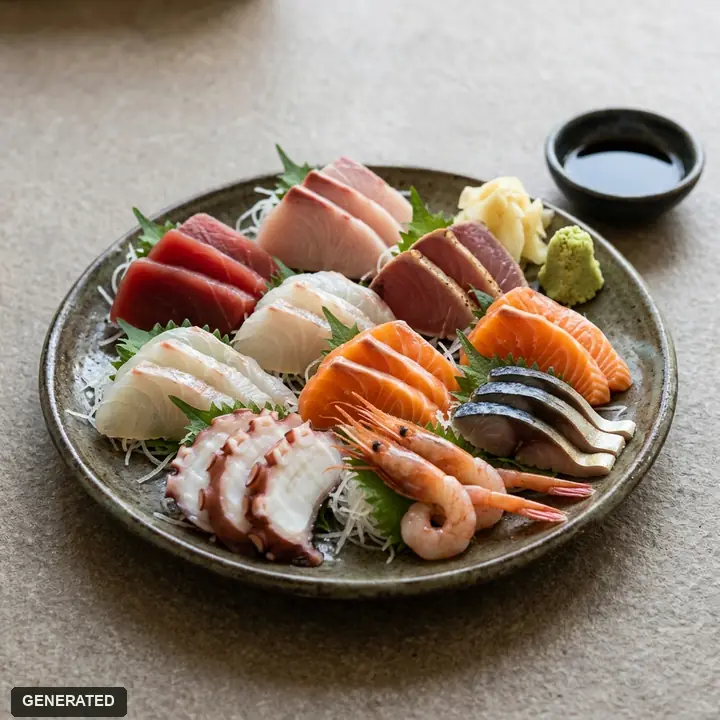
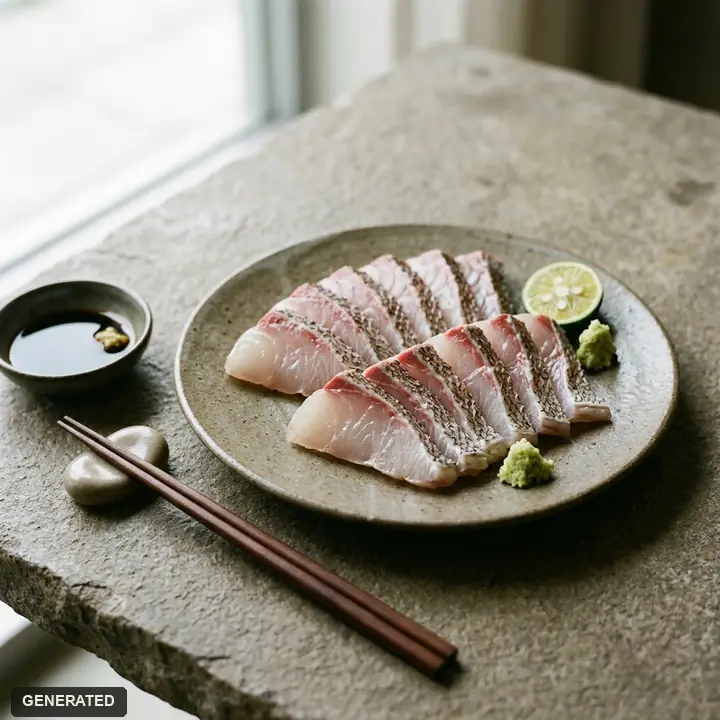
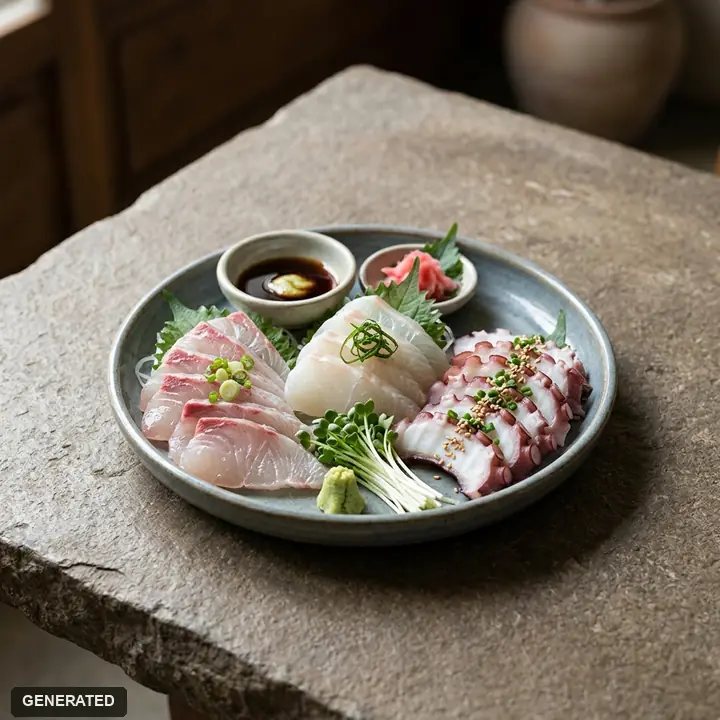
The name means "Land's End Village, the house that slices raw fish" — Ttangkkeut-maeul is the village at Korea's southernmost tip in Haenam, far from Seoul, and hoe-tteuneun-jip is literally the house where fish are filleted. Nothing about the shop is in Haenam; the name claims the fish comes from that end of the country.
Group visit 14 of 16 · Friendly staff 8 of 9 · Outdoor terrace seating 8 of 11
Two syllables, gok-seong. They are also a county in the south-west and the title of a 2016 horror film, and customers arrive expecting something sinister; one writer asked, and was told the bar had the name before the film did. What the owner means by it, nobody records. The shop writes itself goksung on Instagram, and most customers say Seongsu Gokseong to distinguish it from the county.
Flowers to take home 26 of 26 · Date 13 of 16 · Quiet 13 of 17
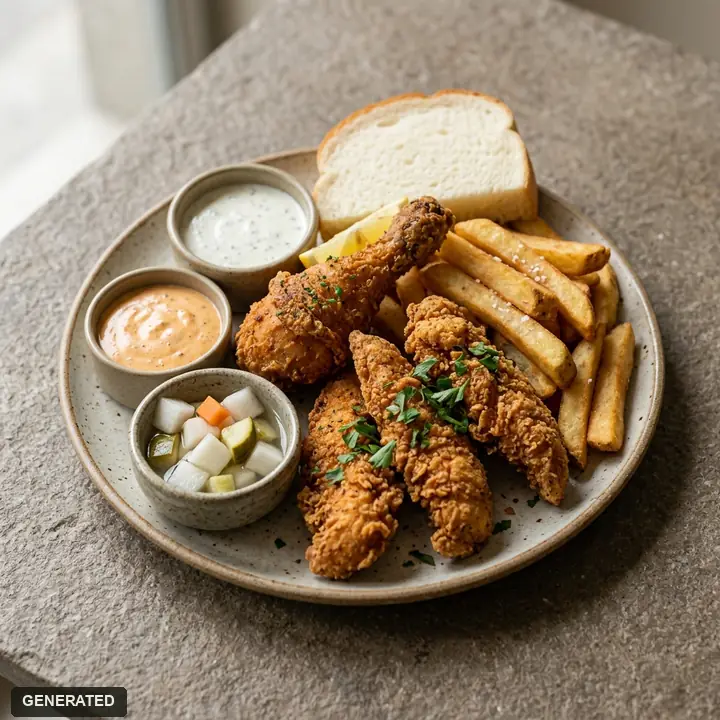
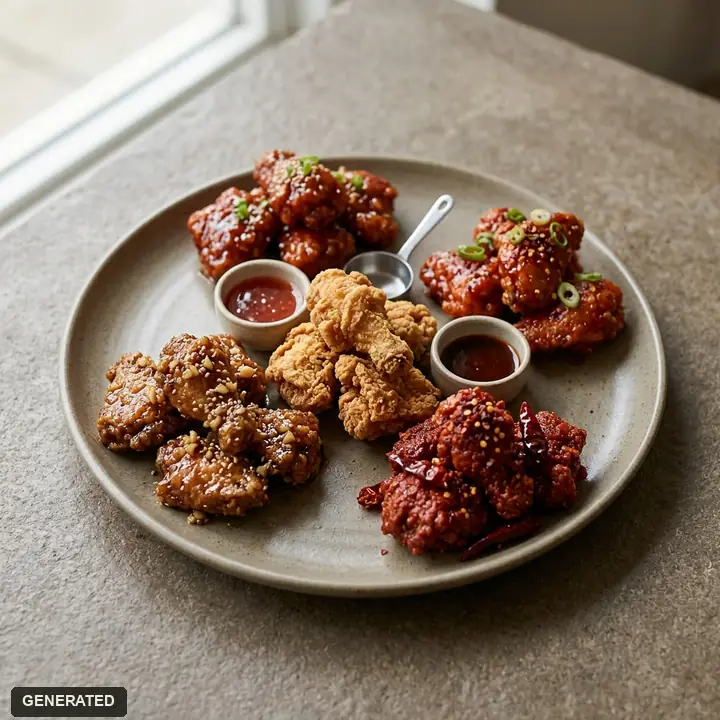
Chicken sandwich and fried-chicken platter shop; the owners write their name in Latin letters as LET'S EAT CHICKEN on the wall and shorten it to LEC, which is why dishes are called LEC Chicken and LEC Chicken Platter.
Self-order screen 12 of 12 · Second floor 10 of 17 · Returning customer 5 of 8
VND is the currency code for the Vietnamese dong; the shop uses it as its name and puts it on the sign in both Latin letters and Korean. Seongsu-bonjeom marks this as the original branch — a second one opened in Jonggak in April 2026.
Takes reservations 17 of 21 · Self-order screen 12 of 12 · In a basement 10 of 11
Jinjak Dining, Seongsu branch. There is another in Yongsan, and restaurants called Jinjak in Euljiro and Jinjak Kaki in Anguk that writers take to be related.
Roomy 26 of 26 · Reachable by transit 17 of 17 · Quiet 15 of 26
Numero Tres — "number three" in Spanish, and the third shop the owner opened: uno in Sangsu (now closed), dos a few minutes away in Seongsu, and this one. Korean writes the Spanish sound, 뜨레쓰.
Self-order screen 11 of 11 · Takes reservations 9 of 14 · Outside food allowed 8 of 14
Italyguksi — "Italy noodles", guksi being the dialect word for noodles — puts Korean ingredients into pasta and risotto and serves them in a hot stone pot.
Self-order screen 19 of 19 · Lift to the floor 12 of 15 · Roomy 12 of 19
The shop writes itself GUFEL in roman letters and 구펠 in Korean, said roughly goo-pel; Ttukseom is the subway station it stands beside. One regular guesses the name comes from the Spanish gusto feliz, but nothing we read confirms it.
Second floor 16 of 17 · Reachable by transit 11 of 12 · Outdoor terrace seating 11 of 17
Gidaelbing — a pun: bing is the bingsu, the shaved-ice dessert, and gidael means to lean on someone. The shop styles itself a seasonal dessert cafe, and one writer says its bingsu is meant to be more comfort than pudding.
Second floor 8 of 14 · Had to wait 5 of 10 · Reachable by transit 5 of 6
No More Pizza — the shop's own English name, painted on the orange sign; one writer explains it as meaning there is no better pizza to be had. Seoulsup is Seoul Forest, the park a minute away, and this is the branch the chain started from.
Self-order screen 11 of 11 · Takeout 9 of 9 · Had to wait 7 of 15
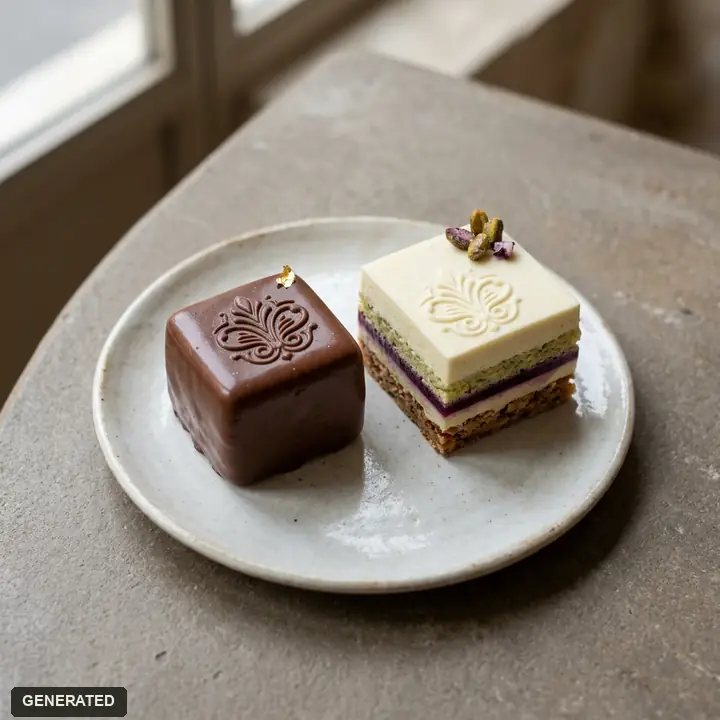
Cake Bar, run by Flavourtown, the restaurant in the same building. Its Instagram is @cakebarseoul; a Cake Bar on Orchard Road in Singapore is a different place entirely.
In a basement 16 of 18 · Friendly staff 12 of 13 · Coffee served 9 of 13
Goma is the Japanese word for sesame, and sesame is what the tantanmen here is built on — the shop makes the point itself, and eight of the writers repeat it.
Clean 17 of 22 · Open kitchen 15 of 22 · Counter seating only 14 of 22
The name is "grin", not "green" — the red carpet up the stairs reads GRIN IN THE JOURNEY, which one writer was told at the counter means keep smiling on the way; Korean writes it 그린룸, the same spelling it would use for "green room", and the plants on the terrace do nothing to clear the confusion.
Outdoor terrace seating 22 of 22 · Second floor 20 of 22 · Reachable by transit 15 of 16
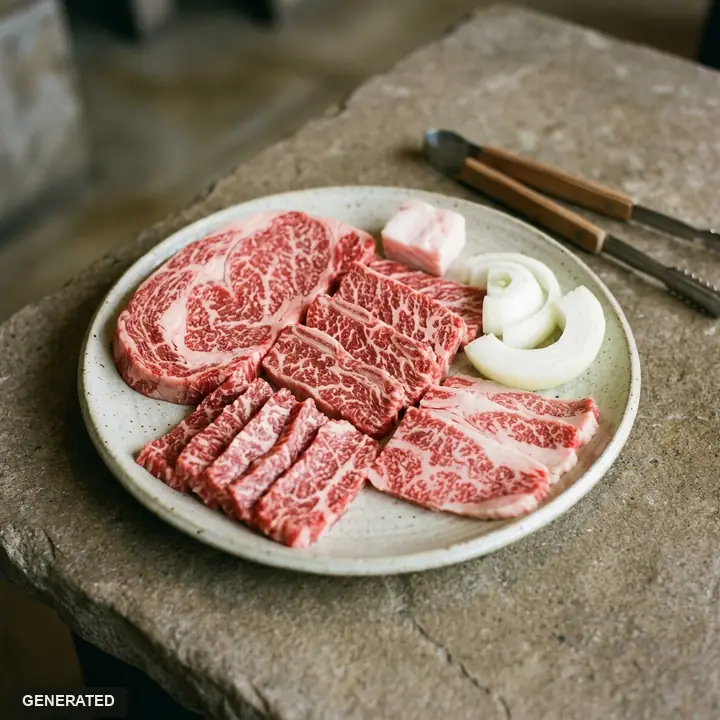
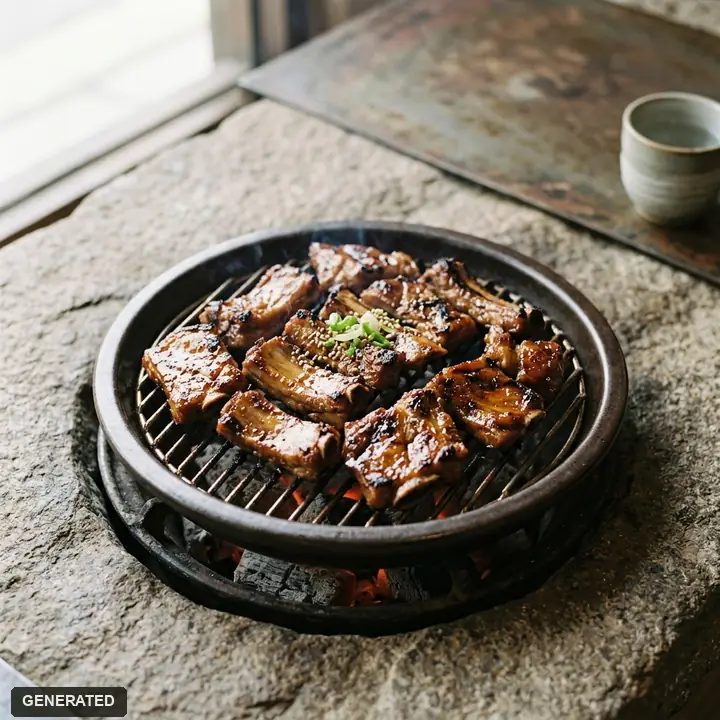
Cheongjukgol means "bamboo-grove hollow"; the ribs are aged with bamboo leaf from Damyang. This is the second branch — one writer says the business is over thirty years old and moved here from the mouth of the old Seongsu rib alley.
Staff cook it at your table 10 of 12 · Group visit 10 of 13 · Parking available 9 of 9
“Gamyo” is short for 감성요리, gamseong yori — “cooking with feeling”. The registered name is the long one; the sign, the Instagram and every blogger use the short one
Friendly staff 19 of 19 · Reachable by transit 18 of 18 · Takes reservations 16 of 17
A half-basement wine bar in a quiet Seongsu lane, run single-handed by its chef-sommelier, pouring natural and conventional wine beside plated small dishes and pasta.
Wine served 21 of 21 · Counter seating only 16 of 19 · In a basement 14 of 16
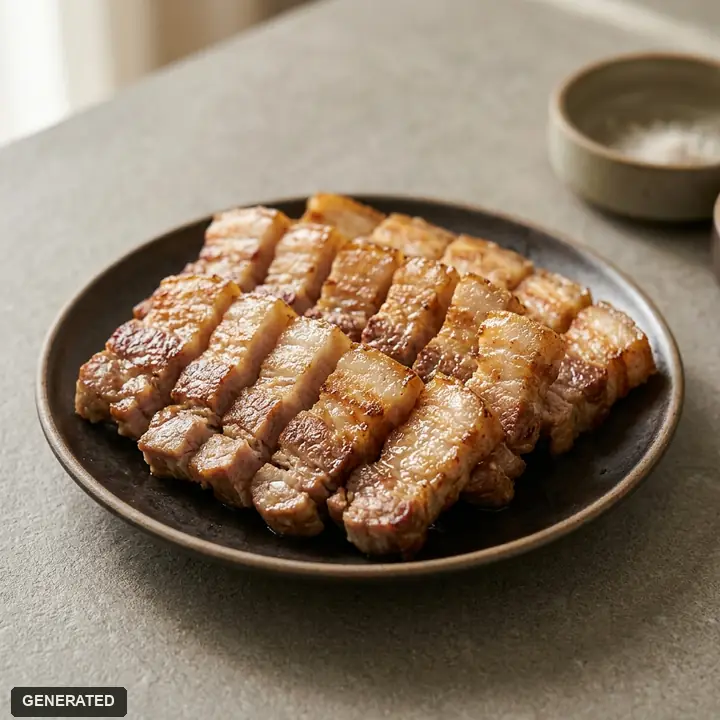
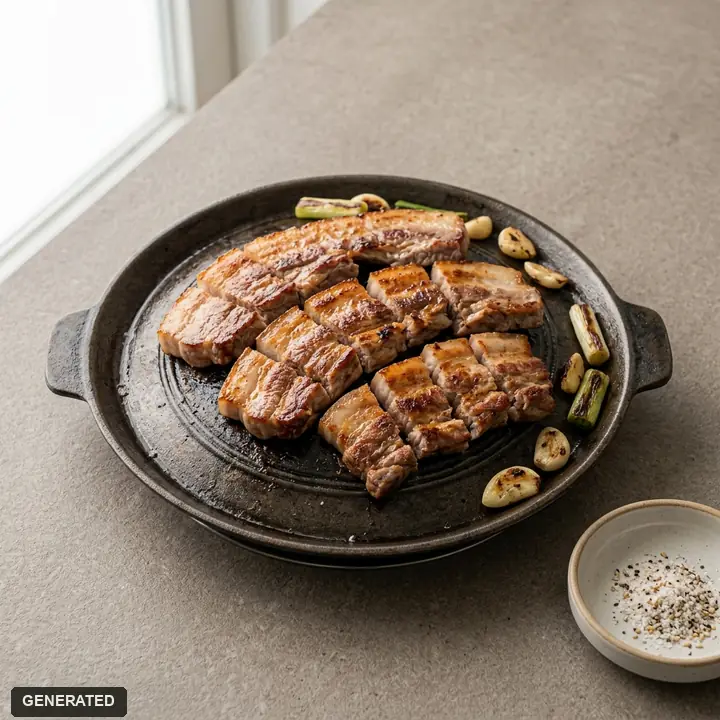
Anmok puns on two readings: it is the neck cut (mok) of pork, and anmok also means an eye for something — one writer jokes that this is a place with an eye for meat. Instagram: @anmok_sousvide.
Staff cook it at your table 20 of 20 · Friendly staff 19 of 19 · Meat is pre-grilled before it reaches the table 19 of 20
A Pyongyang-style cold-noodle house behind a gold 大燁 sign near Seoul Forest, doing buckwheat naengmyeon and hand-folded mandu; the Live Noodle Bar next door is a different kitchen.
Had to wait 11 of 14 · Parking available 9 of 9 · Group visit 6 of 10
A ttokbo is someone who loves rice cake, so the name reads as a rice-cake lover's day; it is a national rice-cake brand and this is its Seongsu branch. The shop has no Latin spelling of its own in any post we read. Worth knowing: the word ttokbo also turns up inside ordinary sentences meaning than rice cake, which is why searching the name alone brings back other shops' posts.
Takes reservations 13 of 13 · Takeout 11 of 12 · Coffee served 6 of 12
Number Five — written in the shop's own neon as Number Five / No.5. It shares the name with the perfume, which is why searching for it turns up Chanel; this one is a basement cocktail bar by Ttukseom station, with two dart machines and a large dog.
Friendly staff 6 of 6 · In a basement 6 of 8 · Quiet 5 of 6
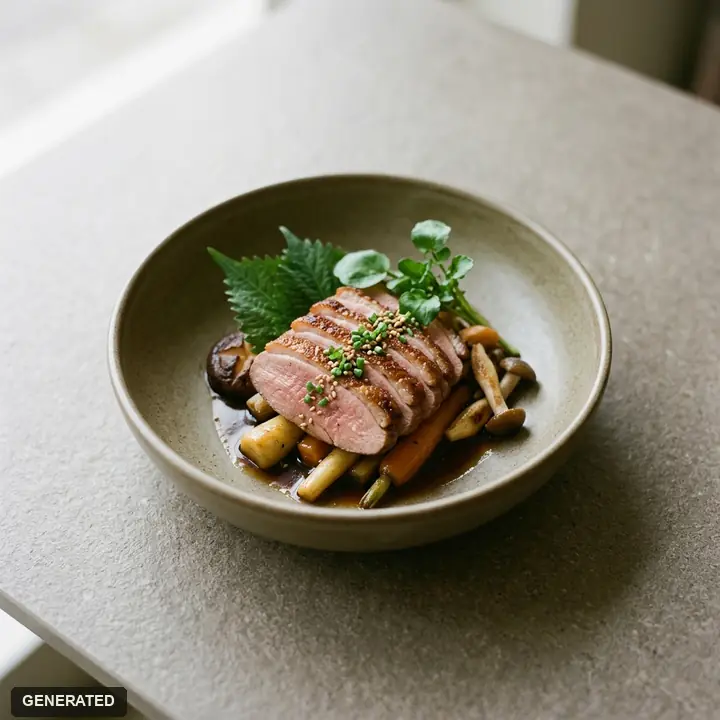
“Duck Fat” — the fat rendered from a duck, and the foundation of south-west French cooking; the one dish that has never left the menu is a duck-breast steak. Korean signs and posts write it both 덕펫 and 덕팻
Friendly staff 11 of 11 · Takes reservations 11 of 11 · Reachable by transit 8 of 12
Daeyeop is the restaurant brand of chef Ko Seok-hyun, seen on the TV show Culinary Class Wars; Live Noodle Bar is what this branch calls itself, and the shop describes it as a small laboratory for broth and noodles whose menu changes as the research does. Note for finding it: Daeyeop Seongsu is a SEPARATE restaurant immediately to the right of this one, with a different menu — one visitor walked into the wrong door and found the dish she came for was not on this menu.
Had to wait 10 of 10 · Self-order screen 8 of 8 · Reachable by transit 6 of 7
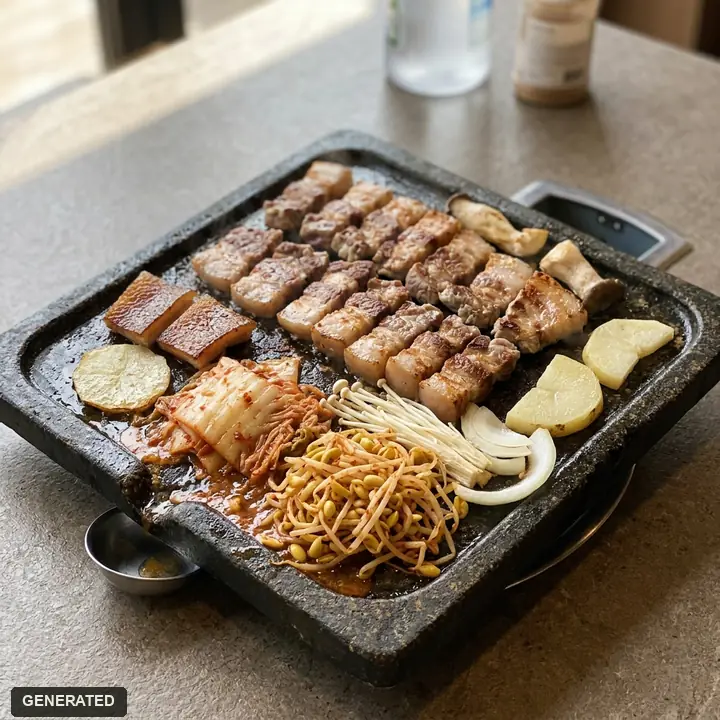
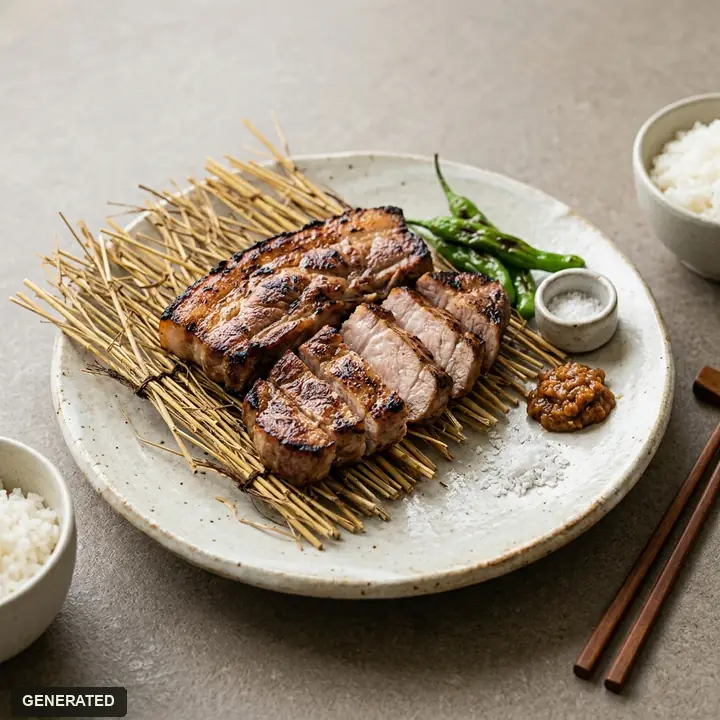
The name is the place plus the dish: Ttukseom is the old name for this stretch of Seongsu by the Han river, and sutbul-galbi means ribs grilled over charcoal. Several shops in the same short alley are named the same way — Seongsu Galbi at 12-1, Suwon Wonjo Galbi at 12-2, this one at 12-3 — which is why the street number matters more than the name.
Meat is pre-grilled before it reaches the table 13 of 14 · Friendly staff 5 of 5 · Reachable by transit 5 of 6
Anjeong means calm or steadiness. Because it is also an everyday Korean word, a search on the name alone pulls in posts that have nothing to do with the restaurant. Instagram: @an.jeong_0618.
Second floor 12 of 15 · Reachable by transit 11 of 11 · Friendly staff 9 of 9
“Palette Curry” — the shop's own line is “A Palette on Your Table”, and the curries do arrive in paint-box colours. Korean signs and posts write it 팔레트커리, run together
Reachable by transit 9 of 9 · Clean 6 of 8 · Group visit 5 of 10
“Gamasot Chueotang” — gamasot is the big cast-iron cauldron Korean kitchens once cooked everything in, and chueotang is a soup of ground loach. The name says the method and the dish, and nothing else
Returning customer 9 of 9 · Shoes off at the door 3 of 3 · Group visit 3 of 3
“Gandou Dining” — Gandou is the name the owner's sushi shops have carried since 2015, and 다이닝 is the English word “dining” written in Korean letters. The shop writes itself Gandou Dining on Instagram
Beer served 10 of 10 · Reachable by transit 8 of 8 · Friendly staff 5 of 5
“100 hoe” — hoe is raw fish; the owner told one writer the hundred is the lot number. Korean readers see the same characters as “episode 100”, which is why searching for it turns up television
Returning customer 4 of 5 · Friendly staff 2 of 2 · Clean 2 of 4
The sign reads GONY'S BUTTERMILK CHICKEN; in Korean it is said go-ni-seu. Two customers have guessed at the name in print — one reading it as GO NY, for New York, whose burgers the shop's owners say they toured before opening; another supposing the owner's surname is Go, which is common in Korea. The shop itself does not explain it.
Clean 5 of 8 · Large windows 5 of 8 · Crispy batter 5 of 7
Gyeong and Ji are one syllable each from the two owners' names, and also the names of the two house cocktails. A honsulba is a bar set up so that you can drink alone without it being odd: the board games and the visitors' book on every table are part of the arrangement. Seongsu branch — the licence adds Seoul to the name, which nobody says out loud.
Board games on the table 8 of 8 · Reachable by transit 7 of 8 · Friendly staff 6 of 6
Ttangseu is the franchise's coined brand name; budae-jjigae is army-base stew, the post-war dish of sausage, spam, instant noodles and kimchi simmered at the table; and Seongsu-jeom means the Seongsu branch. The shop has no Latin spelling of its own — none appears in any of the posts we read.
Takeout 8 of 8 · Large portions 6 of 6 · Reachable by transit 4 of 4
Geurin is "green"; hansik is Korean home cooking and buffe a buffet — so, plainly, the green Korean buffet. Note there is a second restaurant of the same name near Seongsu station; this is the one by Ttukseom.
Reachable by transit 4 of 5 · Had to wait 3 of 4 · In a basement 3 of 5
Glass Garden — the shop writes it that way itself (@glass.garden.seongsu); Seongsu is the neighbourhood. It opened under another name, 1987 Rooftop Lounge, which the phone number still ends in.
Rooftop seating 4 of 5 · Live music or shows 4 of 4 · Large windows 2 of 5
naejan means "my glass" — the bar puts the phrase over a basement room with no bar counter, where the owner walks a new arrival into a conversation already under way. Seongsu is the neighbourhood; the first branch is in Mangwon.
Friendly staff 5 of 5 · Solo visit 4 of 5 · Seats to sit and eat 4 of 5
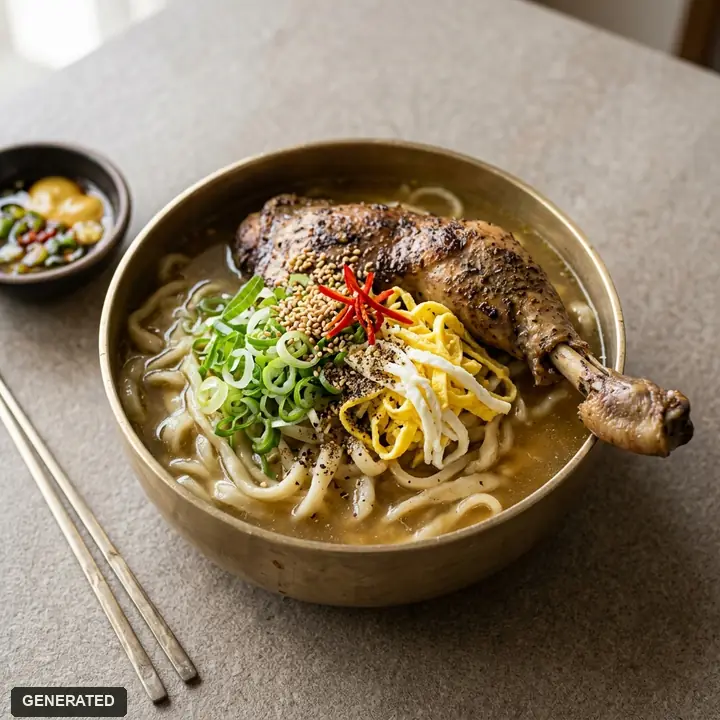
The name is the place plus the dish: Ttukseom is the old name for this part of Seongsu, dongjuk is the surf clam the broth is made from, and kalguksu are wheat noodles cut by knife. Several other shops nearby sell a dish of the same name, so the sign and the street number matter.
Reachable by transit 2 of 2 · Large portions 2 of 2 · Quiet 1 of 2